Líderes étnicos responden a las eliminaciones de personal de la SBC, piden transparencia y conversaciones

FRESNO, Ca – Dos cartas enviadas al Comité Ejecutivo de la Convención Bautista del Sur por parte de grupos de liderazgo hispanos y asiáticos expresan preocupación e insatisfacción por la decisión del CE de eliminar dos roles de vicepresidente asociado, ocupados por Peter Yanes y Luis López, del personal de la SBC .

Las cartas fueron en respuesta a un artículo de Baptist Press fechado el 13 de septiembre , que detalla las luchas financieras que obligaron al comité a eliminar cinco puestos de tiempo completo y dos trabajadores subcontratados. Yanes y López fueron incorporados al personal del CE para movilizar a los bautistas asiáticos e hispanos, respectivamente, para el Comité Ejecutivo de la CBS.

La primera carta, enviada por la Red Nacional Bautista Hispana (NHBN), que representa a más de 3.300 iglesias, expresaba “decepción” por la eliminación del cargo de López, mientras que la carta de los líderes asiáticos, fechada el 20 de septiembre, expresaba “profunda preocupación”. consternación y decepción” por la eliminación de ambos cargos étnicos de vicepresidente asociado.

Según la carta, firmada por 18 líderes bautistas asiáticos, esta decisión se tomó en oposición a la moción de 2011, que “tenía como objetivo llegar a varios grupos étnicos… posteriormente fue reafirmada, votada y asignada recursos presupuestarios”. Las etnias de la iglesia representadas en la carta asiática incluyen camboyana, laosiana, filipina, vietnamita, birmana, coreana, hmong, china y tailandesa.

Tres líderes hispanos, entre ellos Emanuel Roque, Catalizador Multicultural Hispano de la Convención Bautista de Florida; Jesse Rincones, Director Ejecutivo de la Convención Bautista Hispana de Texas y Pete Ramírez, Director Ejecutivo de la Convención Bautista del Sur de California, hicieron declaraciones en su carta, que fue entregada al Presidente Interino Jonathan Howe.

Ramírez dijo: “Con un vacío en estos puestos importantes, donde sólo un liderazgo diverso puede comprender y ministrar estas diferencias específicas, no estoy seguro de que el CE pueda llevar a cabo esta iniciativa vital”.

La carta hispana señaló que con la destitución de López, los hispanos ahora no tienen representación en la SBC, incluida la Junta Ejecutiva.

“En nombre de nuestras más de 3,300 iglesias, la NHBN quisiera expresar su decepción por la eliminación del puesto de Vicepresidente de Relaciones y Movilización Hispana… Creemos que la decisión de eliminar este puesto es inútil, miope y deja a los bautistas hispanos sin representación en el Comité Ejecutivo ni en la Junta Directiva (nuevamente). Esto representa un paso atrás en nuestra comunicación y colaboración cuando deberíamos avanzar juntos para alcanzar y discipular a los perdidos en los EE. UU. y más allá (incluidos los más de 52.000.000 de hispanos perdidos en los EE. UU.)”.

Ambas cartas piden acción por parte del Comité Ejecutivo. Los líderes hispanos piden al CE que “se reúna con nosotros en persona para establecer un camino a seguir más constructivo y fructífero que resulte en la expansión del Reino de Dios y la edificación de su Iglesia”.

Los líderes asiáticos dijeron: “Les imploramos que consideren soluciones alternativas que tomen en consideración y no obstaculicen el trabajo significativo que Dios está haciendo para unir y movilizar a nuestras comunidades asiáticas hacia el cumplimiento de la Gran Comisión como parte de la CBS. Nuestra ferviente esperanza es que el futuro sea testigo de mayores esfuerzos en comunicación y transparencia hacia las iglesias asiáticas y asiático-americanas en sus procesos de toma de decisiones”.

Francis Chung, líder del equipo de Iniciativa de Misiones para la Convención Bautista del Sur de California, dice que esta cuestión va más allá de la representación étnica. “Las comunidades étnicas valoran la CBS por su énfasis en cumplir la Gran Comisión. Sin embargo, esperamos que a medida que lleguemos a las naciones y nos volvamos más diversos, nuestro liderazgo refleje esa diversidad en nuestra convención. No es que necesitemos que el liderazgo se parezca a nosotros, sino que nuestros líderes entiendan las complejidades y necesidades de toda la convención”.

Chung continuó: “El liderazgo de la SBC no se parece a nosotros, pero lo que es aún más preocupante es que no comprende ni representa bien a las comunidades étnicas”.

El presidente de la Convención de California, Victor Chayasirisobhon , está de acuerdo con Chung en que estas preocupaciones van más allá de la simple representación. “Nuestra convención es toda una familia y si una parte de nuestra familia está sufriendo debido a una decisión que se tomó, entonces es muy importante que los escuchemos. No se trata sólo de personas que caminan como yo o se parecen a mí… se trata de entendernos y amarnos unos a otros de una manera que honre a Dios y nos haga más eficaces para servirle”.

Según Chayasirisobhon , “ Yane y López trabajaron duro y lograron grandes avances en reunir grupos de iglesias -iglesias que a menudo permanecían en sus propios territorios- para servir a Dios juntos, lo que hizo que la familia fuera aún mejor”.

Cuando se le preguntó sobre las perspectivas de la decisión de la CE de eliminar las dos posiciones étnicas, Chayasirisobhon añadió: “Es una pena que todo esto recaiga en un vicepresidente asociado que ahora está a cargo de una tarea que ya era demasiado grande para los tres que teníamos. Es más importante que nunca acompañar al hermano Charles Grant para ayudar a lograr la resolución presentada originalmente por el hermano Paul Kim hace tantos años”.

Añadió: “Tengo la esperanza de que nuestra familia nacional de la CBS pueda unirse para ayudar a inspirar confianza en nuestras iglesias hispanas y asiáticas de que todavía importan y continúan teniendo algo más que un asiento temporal en la mesa”.

Al momento de escribir esta historia, el presidente de la SBC, Bart Barber, y Charles Grant, vicepresidente asociado para el avance y las relaciones de la convención, han programado una reunión con el Dr. Bruno Molina, director ejecutivo de la NHBN, el Dr. Jesse Rincones y el Dr. Daniel. Sánchez, Profesor Emérito Distinguido del Seminario Teológico Bautista Southwestern, a finales de esta semana, así como una reunión adicional con Jonathan Howe en noviembre.

Howe le dijo a CSBC: “Debido a las limitaciones presupuestarias actuales, el Comité Ejecutivo de la SBC se ha enfrentado a varias decisiones dolorosas en las últimas semanas. Afortunadamente, estas restricciones presupuestarias afectan sólo a la CE y no a las redes ya establecidas de coreanos, chinos, vietnamitas, hispanos, brasileños, laosianos, hmong, nativos americanos y otras etnias bautistas del sur que están llevando el nombre y la fama de Cristo a sus hogares. compatriotas y más allá. Su trabajo vital sirve como recordatorio de que realmente somos mejores juntos, y estos grupos étnicos de compañerismo representan lo mejor de lo que todos buscamos: un compromiso firme de alcanzar a todas las lenguas y tribus con las Buenas Nuevas de Jesucristo”.

Ramírez está animando a todos los Bautistas del Sur a participar cuidadosamente en las conversaciones más importantes. “Estamos en días difíciles como familia. El personal del CE se vio obligado a tomar decisiones difíciles y no es momento de que el liderazgo interino resuelva estos problemas. Esta es una temporada para reunirnos para involucrarnos y colaborar en vías de avance para que, con suerte, en cuatro meses, nuestro recién elegido Presidente del Comité Ejecutivo de la CBS pueda desarrollar una estrategia para liderar a toda la familia en la obra del reino a la que todos hemos sido llamados”.


Wayland professor initiates drive to assist Lahaina school

PLAINVIEW—When Libby Cleveland, longtime math professor at Wayland Baptist University in Plainview, saw news coverage of the Lahaina fire in Maui, her heart was broken for students left without classrooms more than 3,400 miles away.

So, she asked administrators at Wayland, which has an external campus in Hawaii, to provide a way to help students displaced by the fires on the island of Maui.

“What I saw was such devastation. There was nothing left. I was concerned for the children—the students,” said Cleveland, who has been teaching math for 62 years, including 30 years at Wayland.

“Schools offer a stable place for students. They lost their schools, and the students need to get back into school. I wanted to help.”

Wayland’s external center in Hawaii has multiple teaching locations, but none of those are located on Maui. However, many of the students and professors were affected by the fires in which 97 people died and 31 are still missing more than a month later.

The Maui fires, which burned 27 days, spread across more than 2,100 acres on the island. The fires have been deemed the deadliest in the United States in more than a century.

“The wildfires of Lahaina deeply hurt our souls,” said Henrique Regina, executive director and dean of the Hawaii campus. “They are our friends and families. They are our community. It hit very close to home.”

“Our guidance to our employees was to be engaged with the healing and rebuilding of Lahaina as they see fit. We decided to have faith and trust God for his wisdom and guidance leading us through his perfect timing.”

What Regina and other students, facility and staff at the Hawaii campus didn’t know was that God was already working in the heart of an 87-year-old math professor on the other side of the Pacific Ocean.

Cleveland gave initial donation

Cleveland offered to donate the first $500 to get a relief fund started at Wayland. She envisioned other members of the university family joining her in donating to help students on Maui.

At Cleveland’s request, administrators in Plainview and Hawaii began exploring how Wayland’s home campus in Plainview could help without being just another relief collection point.

“What I wanted Wayland to do was to help a school with students,” Cleveland said.

That wouldn’t be easy immediately following the disaster. However, Regina eventually connected with representatives of Doris Todd Christian Academy, which operates two campuses on Maui.

After receiving authorization to collect donations for the school through Wayland’s Student Emergency Fund, a webpage was created for online giving.

Once the fund was established, Cleveland became the first donor, giving the $500 she promised.

“We can help these children,” she said. “Some may not have anything. That’s why I said I’d be the first to give.”

Once the fund has grown significantly, Regina plans to present the money personally to Doris Todd Christian Academy.


Few persecuted Christians find refuge in US, report shows

WASHINGTON (RNS)—Fewer Christians fleeing persecution in their native countries have found a safe harbor in the United States in the past half-decade, according to a new report from a pair of Christian nonprofits.

The report cites the effects of the pandemic and the dismantling of U.S. refugee resettlement programs during the Trump administration.

The report, “Closed Doors,” found the number of Christians coming to the United States from countries named on a prominent persecution watchlist dropped from 32,248 in 2016 to 9,528 in 2022—a 70 percent decline.

The number of Christian refugees from Myanmar dropped from 7,634 in 2016 to 587 in 2022, while the number of Christian refugees from Iran dropped from 2,086 in 2016 to 112 in 2022.

Christian refugees from Eritrea dropped from 1,639 in 2016 to 252 in 2022, while refugees from Iraq dropped from 1,524 to 93 during the same timeframe.

All four countries are among the 50 nations on the annual World Watch List published by Open Doors, an international Christian charity that tracks persecution. The new report was written by Open Doors and World Relief, an evangelical charity that resettles refugees.

“The tragic reality is that many areas of the world simply aren’t safe for Christians, and Christians fleeing persecution need a safe haven in the United States,” the report stated.

Religious persecution on the rise

The decline in Christian refugees comes at a time when the persecution against Christians is on the rise, said Ryan Brown, CEO of Open Doors.

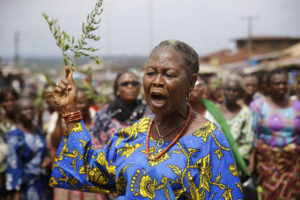
Funmilayo Iwaloye, The Iyaoloja of Owo kingdom, reacts during a protest outside the Palace of Olowo of Owo, following church attack at the St. Francis Catholic Church in Owo,Nigeria, Tuesday, June 7, 2022. (AP Photo/Sunday Alamba)

According to the Watch List released earlier this year, about 360 million Christians face what Open Doors calls “high levels of discrimination and persecution.” That’s up from 260 million reported in a 2020 edition of the “Closed Doors” report. Much of the increase has come in sub-Saharan Africa, he said, driven by political instability and internal conflict in countries like Nigeria.

“Tragically, that’s the area where we are seeing the most intense violence as it relates to persecution,” said Brown.

Many Christians in countries where there is persecution want to stay there, often feeling called to minister in difficult situations, Brown said. But some are forced to flee.

In 2016, according to the “Closed Doors” report, 32,248 refugees from countries on Open Doors’ World Watch were resettled in the United States. That number dropped to 11,528 in 2018 and then to 5,390 in 2020.

Refugee resettlement numbers declined

While persecution is on the rise, both the annual refugee ceiling set by the U.S. president each fall and the total number of refugees resettled yearly in the United States have dropped. In 2016, according to the “Closed Doors” report, about 97,000 refugees were resettled.

That number declined to just under 23,000 in 2018. Canada, despite having a much smaller population, managed to resettle about 28,000 refugees that year.

“In the calendar year 2020, the U.S. resettled fewer than 10,000 refugees for the first time in the resettlement program’s history,” the report stated.

The lowering of the refugee ceiling began under President Trump, and the sudden drop, exacerbated by the COVID-19 pandemic, dismantled much of the infrastructure needed to resettle refugees, including the work done in the United States by faith-based groups, including World Relief, Church World Service, and HIAS, the latter founded as the Hebrew Immigrant Aid Society.

In 2021, President Biden set the refugee ceiling at 15,000—the lowest since the passage of the 1980 Refugee Act, which sets the parameters for the current refugee resettlement system. That ceiling was later raised to 65,000 after faith groups protested.

This past year, the ceiling was set at 125,000. However, the United States only resettled about 60,000 refugees in fiscal year 2023, according to the “Closed Doors” report.

Matthew Soerens

That shortfall is due in large part to the aftereffects of the pandemic, said Matt Soerens, director of church mobilization for World Relief. The screening process for refugees, which takes years, was shut down during the pandemic and was slow to restart.

World Relief, which has resettled just over 7,000 people during the past year, including refugees from Afghanistan and Iraqis with Special Immigrant Visas, and the other resettlement agencies closed down offices and laid off staff when the refugee resettlement program shut down. Restarting those offices and adding staff has taken time as the agencies rebuild their domestic infrastructure.

“We are expanding,” he said. “I wish I could have the confidence to expand even more, but it’s very expensive to raise the space and hire staff and then have to lay them all off three years later.”

Calling the resettling of 60,000 refugees a sign of progress, Soerens credits the Biden administration with helping the agencies to rebuild the overseas resettlement infrastructure, but added, “They didn’t start nearly as quickly as we would have liked them to.”

Need for continuing progress in refugee resettlement

Part of the impetus for the “Closed Doors” report, he said, was to put pressure on the Biden administration to continue that progress.

Soerens said that he hopes in the future, the refugee resettlement program will be more stable. For years, he said, the program enjoyed bipartisan support and was seen as a source of pride for American leaders—and a sign America was living up to its ideals.

“We’ve had a history of being a refuge for those fleeing persecution for any number of reasons, among them, religious persecution,” he said. “I think that we’re at risk of losing that.”

While the report focuses primarily on Christian refugees, resettlement groups also worry about those from minority faiths, including Jews and Yazidis, who have “largely been shut out of refugee resettlement in recent years,” according to the report.

“As Christians, we believe that all people have the right to religious freedom and that religious minorities of any sort—not just those who share our Christian faith—should be protected,” the report said.

Brown said that some of his fellow Christians may have lost sight of the importance of refugee resettlement, in part because of the current polarization over immigration and the surge of asylum seekers and migrants at the border.

They may not be aware restricting refugees affects persecuted Christians, he said.

In the 1950s, when Open Doors was founded, the concern was mostly about religious persecution behind the Iron Curtain. The group’s late founder, Andrew van der Bijl, better known as Brother Andrew, spent years smuggling Bibles into Communist countries.

Today, persecution continues under authoritarian regimes, but it also happens in countries where there’s internal conflict and strife, Brown said. And while countries like China have experienced economic prosperity, he added, that prosperity hasn’t been accompanied by the expansion of human rights.

Brown hopes the report will lead Christians to pray and to assist refugees when they arrive in the United States. He also hopes they will support refugee resettlement programs.

“We’d love to see America take its place again on that global stage—to be that beacon of freedom and religious liberty.”


National Association of Evangelicals posts racial justice tool

WASHINGTON (RNS)—The National Association of Evangelicals has launched a new resource to help Christians assess where they stand on racial justice and then take appropriate next steps to further race relations.

The online Racial Justice Assessment tool, posted on the organization’s website Sept. 25, is designed to provide users with suggestions of books, videos, articles and online courses to consider based on their answers to a brief survey about racism and equality.

Recommendations include books by best-selling Christian authors Jemar Tisby and Tim Keller, the writings of Ta-Nehisi Coates and Martin Luther King Jr., a video on race in the United States by VeggieTales creator Phil Vischer and a New York Times video series on conversations about race with people of different racial and ethnic groups.

“We at the NAE have developed this tool to help you explore opportunities for growth and to engage in topics that might challenge, encourage and inspire you,” said NAE President Walter Kim in a brief video message that welcomes viewers to the three-minute assessment.

“The Bible teaches the essential dignity of all humans and our shared desire to live in community. Yet the reality of sin results in the denigration, alienation and injustice that we see before us.”

The NAE hired Mekdes Haddis last year as project director of its new Racial Justice and Reconciliation Collaborative.

She said she has spent months meeting with representatives of some of the dozens of NAE member denominations and other partners to learn what would be most helpful. Some said they wanted to “help people realize that they lack an understanding” of race-related matters or hoped participants would be convinced to get more engaged on topics of racial justice.

“We didn’t really want to recreate the wheel,” said Haddis, in an interview with Religion News Service. “We wanted to bridge a gap that was existing.”

She said the tool is designed for people who’ve already read a book or watched a webinar and want to move on to next steps but also for those who haven’t taken any steps yet.

“Whether you’re curious and kind of unengaged or suspicious or whether you’re very excitingly pursuing justice,” she said, “for everybody, we’re recommending a step forward.”

Gaps between religious groups on racial issues

Recent research has shown gaps between how different religious groups view racial matters, including when they are asked which is the bigger problem in the U.S.: people overlooking racism when it exists or seeing racism where none exists.

Majorities of white evangelicals (72 percent), as well as white Catholics (60 percent) and white mainline Protestants (54 percent), told Pew Research Center that claims about racism where there is none was the bigger issue. Far fewer Black Protestants (10 percent), non-Christian religious Americans (31 percent) and unaffiliated Americans (35 percent) agreed.

Haddis, who is an Ethiopian American, said she hopes the assessment and the recommended resources will give participants a sense of what is being said inside and beyond church circles about these issues.

“We felt like it was important to engage in what’s happening outside of our Christian bubble,” she said.

The collaborative hopes to continue to expand its offerings, including a fall retreat for Black and Indigenous people of color that aims to provide “spiritual encouragement” for evangelical leaders who work on racial justice and reconciliation, lead predominantly white organizations or are involved in starting multiethnic churches.


TBM volunteers overcome obstacles in Turkey

“Flexibility” often is a watchword for international missions teams, and a Texas Baptist Men rebuilding team working in earthquake-devastated Turkey put that principle to work in September.

Things were “somewhat as expected,” said team member Chris Taylor from Lucas. But “flexibility was key” as the team ended up building a large, four-section steel structure for a church. It will function as a family life center.

“God definitely put together the right team,” said Taylor, who was the most experienced welder on the team.

The TBM team also included three engineers—Kevin Sievert, Jim Scroggin and Joe Fuller. They designed the steel frame once the team arrived and they learned specifics of the need, Taylor said.

A TBM rebuilding team worked with raw steel in Turkey, cutting it into needed lengths and welding it together. (TBM Photo)

Robert Watson, who led the group, said of the engineers, “They could look at that stuff and make it work.”

“We went to the steel yard and ordered the raw steel,” Taylor said. Once delivered, the TBM team cut the steel into the needed lengths.

“Nothing was prefabbed, just long lengths of steel,” Taylor said. “Every single piece of that steel was cut on site and welded together.”

Dan Sell and Scroggin built jigs to mass produce what was needed, he added. And others in the 11-person team fulfilled different roles.

“Everybody was working really hard,” Taylor said.

“It was a great team,” Watson noted.

Prior to building the church structure, the team finished a family housing unit begun by a team from Brazil. After that, the team started on the church template and design, Taylor said.

Long, hot days but no complaints

The late-summer heat, faulty equipment and lack of daytime electricity created challenges for the team.

“People worked 10 to 12 hours a day,” and they took cold showers, Watson said. “But I don’t remember any person complaining on the whole trip.”

Robert Watson and his wife, Mindy, are former missionaries, having served 27 years in Nepal and India. They both made the trip to Turkey.

“We’re kind of used to difficult situations, but this trip was hard,” Mindy Watson said. “It was hot, and most of the time we did not have electricity.”

Authorities turned on the power at night, and Mindy Watson and Kelley Smithson arose early each morning to do the team’s laundry. They also provided meals for the team even though there was no daytime electricity.

Two TBM rebuilding teams have worked this year in Antakya, which was a bustling city of 400,000 people before the January earthquake. The first TBM team built temporary homes in April, and Robert Watson was part of that team, as well.

“On the first trip, all of the buildings were still there in piles of rubble,” Watson said. Now, the city is “further along in the clean-up process.”

“More shops are open, and some commerce is going on,” he added. “It will be a long recovery, but you could see progress this time.”

The newly constructed church building designed by the TBM team was built in four sections bolted together to function as one facility for the church, Taylor said.

“It’s sitting on paving stones,” he said. “We built metal feet so it’s a foot or so off the ground” to enable straps underneath when they are eventually moved to the church’s permanent location. At that time, the four sections can be unbolted and moved to its new concrete foundation and welded together.

The Watsons and Taylor wished they could have had more contact with local residents. But “for this particular project,” Taylor said, “we were a vessel to show God’s love physically to these people. … It was just our actions that God used.”

“Even though it was a hard trip, it was a good trip,” Mindy Watson said.


TBM teams with NC in response to Hurricane Idalia

LIVE OAK, Fla.—Emma Jean Jordan of Wellborn, Fla., huddled in the bathtub of her trailer home as a tornado spawned by Hurricane Idalia swept over her roof.

Jordan, who lives alone on her rural property, mostly recalls “being scared. I came back to the bathroom and stayed there because it literally felt like my whole house vibrated up when I heard the choo-choo sound” of the tornado.

She acknowledged she wasn’t quite alone. Huddled with her in the tub were her two prized Belgian Malinois.

“I had my girls with me,” she said.

She said God also was with her during the harrowing event.

“The only thing I could do was I called out to the Lord and trusted him,” she said.

When the storm cleared, she and her dogs emerged from their shelter to find a tree piercing the roof of her guest bedroom and water pouring in the hole.

“I realize it could have taken my whole house,” she said. “It could have taken the room I was hiding in. I was grateful because I knew other people had it worse. I said, ‘Thank you, Lord, that I survived this.’”

Like many area residents, Jordan doesn’t carry home insurance or have the funds to pay for tree-clearing or roof repair services. With no means to pay for removal of the tree from her home or to repair her roof, she relied on the only resource she had: “I prayed.”

The answer came a few days later in the form of Texas Baptist Men’s Collin County Chainsaw Unit, an experienced team of volunteer chainsaw and skid-steer operators.

Emma Jean Jordan thanks TBM chainsaw team member Adelina Lewis, a member of Antioch Church in Dallas, for providing tree-removal services at her home. (TBM Photo / Russ Dilday)

“These folks were an answer to prayer,” she said, pointing to the team of 13 pulling the tree free of her home in pieces and providing a temporary cover on her roof. “I saw a phone number (on a sign) … near First Baptist Church offering to help. Something told me to call it.”

Jordan called the TBM volunteers an answer to her prayers. “They are the difference of me not dying of black mold (from further water damage). I can’t afford to pay, so this means a lot to me.”

TBM arrived to help

When Idalia had passed, officials rated it as the most powerful hurricane to hit Florida’s Big Bend region since the 1896 Cedar Keys hurricane. Four people died in Idalia-related incidents in Florida and Georgia. Early estimates placed insured losses at $2.2 to $5 billion.

Assessors from North Carolina’s Baptists on Missions had been staged just north of the affected area as Idalia roared through and were early on the scene to assess and coordinate with Florida and federal officials.

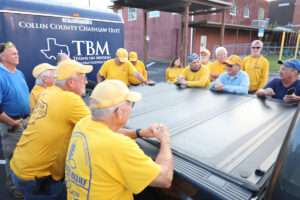
Members of TBM’s Collin County Chainsaw Unit are briefed on the day’s docket of clearing fallen trees surrounding—or on—homes in the aftermath of Hurricane Idalia. The group joined members of North Carolina’s Baptists on Mission to offer help, hope and healing to the small northern Florida town of around 7,000. (TBM Photo / Russ Dilday)

After assessing the on-ground needs, they called TBM disaster relief leaders for assistance. TBM responded with chainsaw teams, man-lift towers, heavy machinery, an asset protection team and chaplains.

The North Carolina team brought chainsaws, a feeding team, chaplains, children’s workers and a laundry/shower unit.

Art Brandenburg served as team leader for TBM’s Collin County chainsaw team. Brandenburg, a member of Hunters Glen Baptist Church in Plano, said the biggest need for his team was the removal “of the tops of trees where the limbs are broken.”

“Around here (Live Oak, Fla.), those trees are pretty high, and they cannot get to them. They’re over their houses or their cars, their entryways, and they just need help getting those down,” he said.

But in addition to making residents’ homes safe, Brandenburg and his team noticed a pattern in the survivors they’d helped that reflected the economics of the area they were serving.

 “This lady we’re helping now and the last lady where we were just seemed to be in the vulnerable set,” he observed. “This lady is widowed. The last one was divorced and alone.

“There are a lot of elderly people we’ve worked with that don’t have a lot of money. They can’t hire people to come out and fix their homes. They will try to hire people, but they just can’t afford them. They have nobody else to call on to help, and the people they do call either can’t or won’t.”

He called the Collin County team members “a really experienced team.”

“We have multiple people that can operate in the lift, several trained climbers and really good ground people, experienced on chainsaws. They’re very efficient and they all work well together, so we’re able to get a lot of things accomplished,” he said.

By Sept. 15, the team and another TBM relief chainsaw team had completed 2,500 hours of service for 32 homes and led two people to Christ.

Sharing hope, sharing Christ

Team member Gary Monroe, a member of Bounds Baptist Church in Powderly, said the group is “probably one of the premier chainsaw teams in Texas. Most of us have worked together for many, many years. I started in 2013 and met most of these people not too long after that.”

The team witnessed—and witnessed to—survivors with amazing stories.

“They appreciate (our work) so much. There was a lady a couple days ago who we’d taken some trees out of her backyard, and so Art went to hand her a Bible,” Monroe said.

“She said, ‘I got plenty of Bibles so I don’t need that Bible.’ And Art says no, this is a special Bible, and he flipped it open and showed her the signatures from the team who had served her and she fell apart. It was just something to see. It was a very moving moment. It was incredible.”

Adelina Lewis and her husband Jim served as part of the chainsaw ground team. The couple, members of Antioch Community Church in Dallas, are veteran TBM chainsaw team members.

Lewis agreed with Monroe. Many chainsaw stories become stories of faith shared.

At one home, she said, the team had followed their GPS to a rural home that had called for help.

“As we drove in, we could start to see immediately there’s a lot of damage to trees, a lot of big limbs, tops of the trees bent down, broken, lots of hangers. We call them widow-makers,” she said.

“The house was OK, but they had two young daughters. They were very excited to see us because all these hangers and trees were over their playground equipment. The girls couldn’t come out and play because it was so dangerous.

“They were really needing a lot of help. They’d already had two teams come out and say: ‘We can’t do it. We don’t have the equipment for this type of work. It’s too high for us.’”

The family had little hope anyone could do what was required, and the father of the family was out of work after hurting his knee.

Lewis said the team told the young family “that we came all the way from Texas because God brought us here and God led us to come specifically to your house today.”

Taking care of Georgia Baptist volunteers

While the TBM chainsaw teams served in Florida, members of the TBM asset protection and electronic support team deployed just over the state line to hard-hit Valdosta, Ga., protecting equipment and teams working in an unsafe area of town there.

Fred Stover, who led the asset protection team of three, said his group’s “mission here is to be the hands and feet of God” and “to keep our people and our equipment safe.”

“We’re taking care of Georgia Baptist Disaster Relief volunteers, and we are watching over them as they sleep at night and their equipment is sitting in the parking lots,” he said.

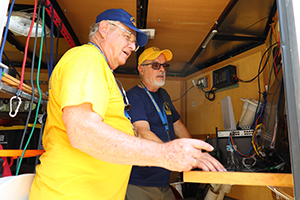
Ed Dameron, left, and Doug Smith, members of the TBM Electronic Support unit, test the camera monitors inside the unit’s electronic security trailer, which contains Wi-Fi, a camera bank and connectivity to remote cameras located around the trailer. The unit provided the system to monitor a parking area for responders from multiple Baptist state conventions responding to damage from Hurricane Idalia. (TBM Photo / Russ Dilday)

Stover, a member of Taylor Valley Baptist Church in Temple, has a background in law enforcement. He said the TBM team was called in “because there has been some looting, and there has been some individuals who’ve not been law-abiding citizens and taking advantage of a bad situation. So, they’re really concerned for the safety of the people here.”

The asset protection team was assisted by the TBM electronic support unit. Members Doug Smith and Ed Dameron set up the electronic support trailer that houses a built-in video tower and monitoring station, provides high-speed Wi-Fi to responders, and can broadcast video to Asset Protection team members.

 “We’re setting up security cameras for Asset Protection so they can keep an eye on the site at night,” said Smith, a member of Lake Pointe Church’s White Rock campus in Dallas. “They’ve had some issues in the area, and the Georgia team doesn’t have a system like this, so we came over to set this one up and let them use it.”

Fellow unit member Ed Dameron, a member of Prestonwood Baptist Church in Plano, said the value in providing asset protection to other Baptist men’s groups is often “peace of mind for deployed teams.”

“They commented last night how relieved they are that we’re here to provide them asset protection. This camera system provides the asset protection team the opportunity to see what targets or what threats are out there before (the target) can even see it,” he said.


Location of Chinese human rights lawyer in question

The exact whereabouts of human rights lawyer Lu Siwei, who was arrested in Laos in July, appear uncertain.

In mid-September, the Associated Press reported Lu’s attorney said he had been deported to China, along with two busloads of other Chinese citizens.

However, in a Sept. 23 email to the Baptist Standard, Bob Fu, executive director of Midland-based ChinaAid described Lu’s situation as “very fluid.”

“On the one hand his lawyer claimed the Lao Ministry of Public Security told her Lu was deported back to China,” he wrote. “But the Lao Ministry of Foreign Affairs kept telling diplomats he was still held in Laos.

“We are still trying to figure out what’s going on. This early morning, I learned he was transferred to the Chinese security agents from the Lao prison. … We certainly need prayers for mercy upon him.”

In July, Laotian police took Lu into custody when he was boarding a train bound for Thailand, where he planned to catch a flight to join his wife and daughter in the United States. Lu was accused of illegal border crossing, even though he possessed a Chinese passport, a Laotian visa and a U.S. visa.

Last month, 68 human rights and civil liberties groups issued a joint statement protesting the arrest of Lu, who was stripped of his license to practice law in China two years ago when he defended a pro-democracy activist who tried to flee to Taiwan.

Tyler-based Freedom Seekers International posted on social media: “The situation seems hopeless, but we ask you to join us in praying for a miracle. Pray that he survives this difficult situation and is released to be reunited with his family.”

Prayers appreciated

In a text message to the Baptist Standard in early August, Lu’s wife Zhang Chunxiao expressed appreciation for the prayers Texas Baptists and other Christians offered on behalf of her husband and her family.

“My husband and I are not Christians, but there were many Christians who helped us tremendously during this crisis and made us feel God’s strength,” she wrote. “This strength is the main reason why I have been able to persevere until today.”

She asked concerned Christians to “continue to pray for my husband until he comes to America safely.”

Freedom Seekers International CEO Deana Brown, a former Southern Baptist missionary, traveled to Laos in August to participate in a silent demonstration outside the detention center and pray for Lu’s release.

Brown remained in close contact with Lu’s wife, who sent her this message after her husband’s deportation: “I haven’t been baptized yet, and neither has my husband, but we are both on the journey to the Lord. … I pray every day and ask for the Lord’s grace.”

After expressing thanks for all who had been praying for her husband, she concluded: “I hope he can turn the danger into safety, survive this disaster, and be reunited with us. He and I are willing to spend the rest of our lives serving the Lord, dedicating ourselves, and helping those in need.”


Explore the Bible: Follows

  • The Explore the Bible lesson for Oct. 8 focuses on Mark 8:31- 9:1.

EDITOR’S NOTE: Bible lessons like this one have been an important part of the Baptist Standard for many years. Each has a cost of at least $50 to produce. To ensure these lessons continue to be provided the rest of 2023 and into 2024, you can make a donation in any amount by visiting our donation page. In the comments field, note your donation is toward the cost of Bible studies.

Compelled to Follow (Mark 3:16-19)

As Jesus calls each disciple, the man appears to follow immediately. “Christ’s love compels us,” Paul tells us. (And we know it’s true.)

Each disciple leaves his familiar life to follow Jesus. In Mark’s Gospel, it is a physical following. They are interns or trainees who walk everywhere with Jesus, sleep outdoors, ride in scary small boats, observe divine healing and note hostility from the “good” establishment. They watch, listen and take it all in.

A disciple wakes in the morning, still groggy from sleep. He thinks: “This is not normal. I know normal. I am in the presence of … but this cannot be.  I pinch myself. Yes, this is real. But life is not like this. No, now life is like this! I know who Jesus is, but I don’t dare say the word out loud.  I’m not ready.”

Jesus speaks with authority, clarity and relevance. He is personable, perceptive and loving. His patience is immense. Miracles are exhilarating, always accomplishing good. Disciples see the stilling of storms, a legion of demons transfer to a herd of pigs, the feeding of thousands. Jesus’ teaching is sublime. His disciples will never forget these lessons. They are with him night and day, because he has chosen them.

Follower’s Moment of Truth (Mark 8:27-8:30)

After two years of ministry, Jesus and disciples come to Caesarea Philippi, a Roman town north of Galilee, near snowy Mount Hermon. They are alone.

“Who do people say I am,” Jesus asks.

“John the Baptist, Elijah, a prophet, some say.”

Then Jesus puts them on the spot “What do you say?”

Bold Peter does not hesitate. “You are the Messiah.”

Jesus’ response comes quick. “Don’t tell anybody.”

Strange, no direct confirmation of Peter’s answer. Just that warning again, not time yet. But Jesus response is a confirmation.

Disciples have been growing in almost blissful anticipation for many months. In Jesus, God is revealing his glory. Peace has come. Evil appears to be losing. Judea has a grand future and the Twelve somehow occupy a place in the inner circle.  Following Jesus is an optimistic, joyous ride.

Jesus proceeds to burst their bubble.

Following is too hard (Mark 8:31-8:33)

Jesus says “the Son of Man (Messiah) must suffer many things. He must be rejected by elders, chief priests, and teachers of the law.”  Disciples think: “No surprise there. The establishment is rejecting Jesus.”

“He will be killed.” Disciples think: “No, no, no! We don’t want to hear this!”

“He will rise again after three days.” Disciples do not appear to hear this.

Jesus continues speaking but he has lost his audience. Disciples think: “It’s too much. Surely, God will never allowit, will he?”

Peter then pulls Jesus aside and rebukes him, which means he sharply disapproves of what Jesus has said.  Noting that all the disciples are listening, Jesus refers to Peter as “Satan.”

“You are not trying to understand God’s purposes,” Jesus tells Peter. “Yours are human concerns.” Disciples think: “This is hard! Would God would allow Jesus to die?”

Following Jesus (Mark 8:34-36)

When Jesus speaks to the crowd, he explains how they can be followers. The Twelve are listening.  “Whoever wants to be my disciple must deny themselves. You must take up your cross and follow me.”

The crowd knows Roman death sentences require one to carry his own cross. It’s cruel, public, humiliating, exhausting, intensely painful and hopeless. Taking up Jesus’ cross would be public and invite persecution. It also leads to a purposeful, joyous, rewarding, sacrificial life in God’s will.

Jesus loved paradoxes—statements that sound false but prove to be true in God’s kingdom. A paradox requires a person to believe God’s truth is greater than human logic.

Jesus said, “Whoever wants to save their life will lose it, but whoever loses their life for me and the gospel will save it.” Living to be humanly successful and self-satisfied will result in loss of the spiritual life God plans for us.

Jesus said, “What good is it for someone to gain the whole world, yet forfeit (lose) their soul? If we are willing to give our life to God, live for Jesus and share his Good News, we can experience peace, joy, an active role in his church and a rich eternal life. Rely on God to transform us and include us in his work and will.

Followers become leaders (Mark 9:1)

Jesus promises the crowd some of them will live to “see the kingdom of God come with power.”  This promise is kept on Pentecost Sunday in Jerusalem (Acts 2) as the Holy Spirit comes upon the previously timid disciples mentioned in Mark 8:33. The Holy Spirit helps disciples speak in foreign languages to invite the crowd to accept an invitation to join the church as fellow believers. That day, 3,000 people are baptized in the name of Father, Son and Holy Spirit. And the Holy Spirit lives in us in 2023 as we, too, serve in God’s kingdom.

Glen Funderburk has taught children’s Sunday school for many years. These lessons on the Gospel of Mark are written from the perspective of children.


Connect360: Radically Changed

  • Lesson 2 in the Connect360 unit “A Cry for Freedom: Grace That Is Still Amazing” focuses on Galatians 1:11-24.

Paul declared he received the gospel through a revelation of Jesus Christ (1:12). Don’t miss the joining of the two names: Jesus (Savior from Hebrew language) and Christ (Anointed One, meaning Messiah from Greek language). Jesus came to save all people, both Jews and Gentiles. There was to be one people of God, who were transformed by Jesus Christ.

Most scholars assume that this revelation of Jesus Christ to Paul is the event described in Acts 9:1–16, when a light shone around Paul, he fell to the ground, and entered into a dialogue with the resurrected, glorious Jesus Christ. Paul was physically blinded for three days from this encounter, and on the third day, Paul was figuratively resurrected as he regained his sight.

The words “through a revelation of Jesus” in 1:12 can be interpreted two ways. It can mean that Jesus is the content of the revelation, so the true nature, person, mission and message of Jesus was revealed to Paul. It also can mean Jesus was the source of the gospel, the channel through which Paul received it. Both of these are true. As Ray Frank Robbins has succinctly stated, Jesus is both the One revealed in the Gospel, and the Revealer of the Gospel.

The gospel is not just information transmitted, but rather a life-changing encounter with Jesus. In this passage, Paul definitely met the glorified Jesus, recognized him as Lord and God, and submitted his life to service of Jesus. Perhaps Jesus also flooded Paul’s mind with all the Old Testament Scriptures that talked about him, as Jesus did speaking with the two men on the road to Emmaus after his resurrection (Luke 24:27).

In 1:12–16, it is clear Paul did not discover the gospel through what he knew. He discovered the gospel through whom he knew. The gospel is a dynamic, life-shaping relationship with the living Christ, not merely a relationship with facts and intellectual content. Paul now had both.

To learn more about GC2 Press and the Connect360 Bible study series, or to order materials, click here.


Obituary: Dorothy Bernice “Bea” Cromer

Dorothy Bernice “Bea” Cromer, a former missionary and Baptist Standard employee, died Aug. 12 in Murfreesboro, Tenn. She was 96. She was born Oct. 17, 1926, in Underwood, Ind. She met her husband of 76 years, Ted Cromer, at church in Muskogee, Okla., and they married on Christmas Eve 1942. While he served in the U.S. Navy during WWII, she served on the home front in a Rosie the Riveter-type role. After the war, they both graduated from Oklahoma Baptist University and Southwestern Baptist Theological Seminary in Fort Worth. They served in several small churches before being appointed as Southern Baptist missionaries to Liberia, West Africa, where they served 17 years. After leaving Africa, they continued their ministry in Texas. She worked for the Baptist Standard before retirement to Tennessee, where she was a member of Northside Baptist Church in Murfreesboro. In her later years, she loved to bowl, play cards with her family, and cheer for her favorite team, the Dallas Cowboys. At age 92, Bea received silver and bronze medals in bowling at the National Senior Olympics in Albuquerque, N.M. She was preceded in death by her husband Ted and daughter Tedi. She is survived by her son Dehru and his wife Muezetta, daughter Janis Sauls and her husband Chet, seven grandchildren, 12 great-grandchildren and five great-great-grandchildren.


Growing SBC churches most likely found in New England

BRENTWOOD, Tenn.—Looking for a Southern Baptist church? You’re most likely to find one in the South. But if you want to find a growing Southern Baptist church, try the Northeast.

Lifeway Research’s analysis of the Annual Church Profile completed by Southern Baptist churches revealed the Southern Baptist Convention is made up of mostly smaller churches dotting the southern United States.

Still, more than 1 in 5 churches are outside of the South. And the only region where Southern Baptist churches are growing numerically is in New England. Additionally, churches started since 2000 are the most likely to be currently growing.
Scott McConnell, executive director of Lifeway Research, noted the SBC is growing in the least Protestant region of the U.S.

“While it’s easiest to achieve high percentage growth in areas with fewer Southern Baptists to begin with, the growth is a sharp contrast to numerical declines throughout much of the country,” he said.

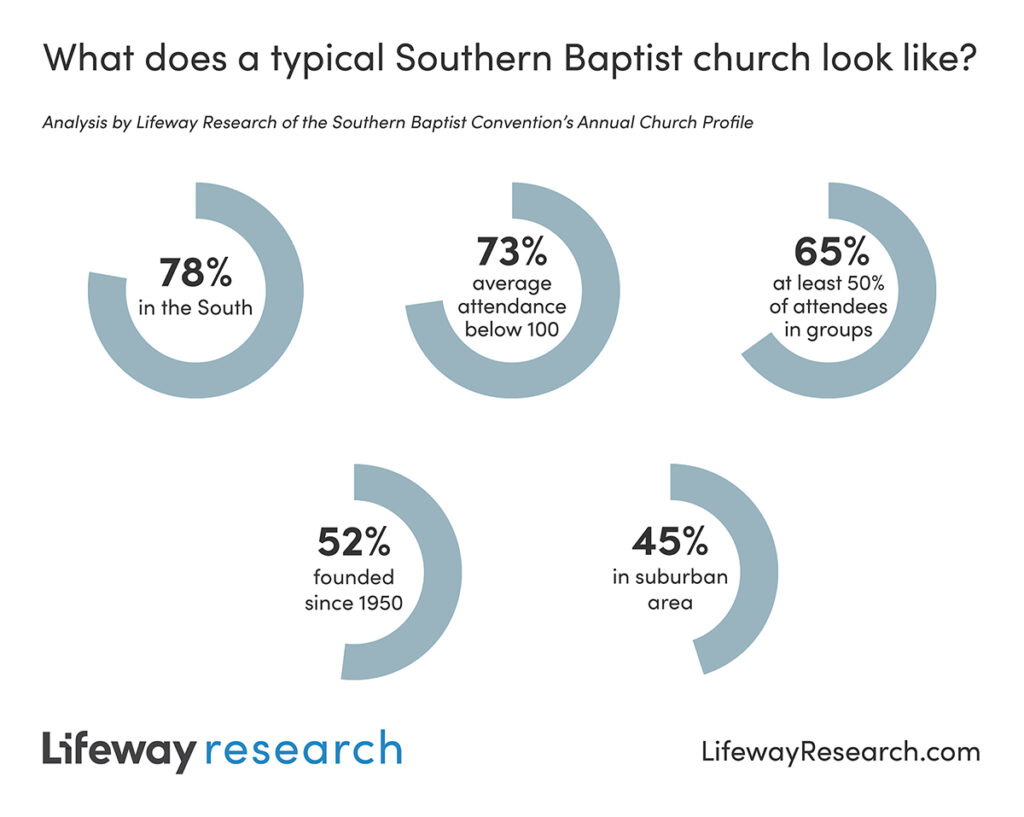
The Southern Baptist Convention mostly reflects its name, as 78 percent of its churches are in the South. Far fewer are in the Midwest (10 percent), West (9 percent), Northeast (3 percent) or U.S. territories (less than 1 percent).

Not quite half (45 percent) of churches are in suburban areas with a population of at least 2,500 but less than 50,000. The remaining percentage are split between urban areas (28 percent) with at least 50,000 in population and rural places (27 percent) with less than 2,500.

Churches in the Northeast and West are more likely than those in the other regions to be in urban areas, while churches in the Midwest and South are mostly in rural and suburban places.

Most Southern Baptist churches (52 percent) were founded since 1950, including 23 percent started since 2000. Another 21 percent began between 1900 and 1949, while 27 percent trace their founding to before the 20th century.

The newest group of churches, those founded since 2000, make up an increasingly larger percentage of all Southern Baptist churches, climbing from 19 percent of churches in 2017 to 23 percent in 2022.

“Southern Baptists are the most prolific starter of new churches, but older churches continue to close at a slightly faster pace,” said McConnell.

Almost 3 in 4 churches (73 percent) have an average worship service attendance below 100, including 46 percent who have fewer than 50 for a typical service. One in 5 (19 percent) are between 100 and 249, while 5 percent average between 250 and 499. And 3 percent usually have at least 500 for their weekend worship service.

Churches in the Northeast (53 percent), Midwest (55 percent) and West (53 percent) are more likely than those in the South (43 percent) to have an average worship service of fewer than 50 attendees.

The SBC increasingly is comprised of the smallest churches. From 2017 to 2022, the percentage of Southern Baptist churches that were below 50 in worship attendance grew from 36 percent to 45 percent of the convention.

For most Southern Baptist churches, most of their worship attendees are also in a Sunday school class or small group Bible study. Still, 35 percent of churches have fewer than 50 percent of those who gather for worship also participating in a small group.

Almost 2 in 5 churches say their participation rate runs between 50 percent to 74 percent. Slightly less than 1 in 5 (18 percent) report 75 percent to less than 100 percent are involved in a small group. Around 1 in 10 (9 percent) have 100 percent or more involvement.

The smallest churches, those with fewer than 50 in attendance for a worship service, are the most likely to have 25 percent or less of their congregation involved in small groups (21 percent). They are also among the most likely to have at least 100 percent participating (10 percent).

An increasing number of Southern Baptist churches have few small group participants. From 2017 to 2022, the percentage of churches that had fewer than 25 percent of their worship service attendees involved in a small group jumped from 5 percent to 16 percent, a 219 percent increase.

A 2022 Lifeway Research study found the average U.S. Protestant church had 44 percent of attendees involved in a small group, down from 50 percent in 2008.

 “Declines in Sunday School and small group participation is not a short-term problem. It also does not bode well for the future,” McConnell said. “Having a higher percentage of your attendees attending small groups each week is one of four measures that predict higher worship attendance five years down the road.”

The most recent Annual Church Profile of the SBC highlighted continued membership decline since 2006, falling to 13,223,122, the lowest number since 1978. The analysis comparing 2017 and 2022 indicates declines in most types of churches with occasional areas of membership and attendance growth.

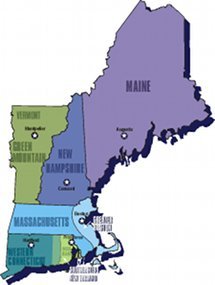
Membership in Connecticut, Maine, Massachusetts, New Hampshire, Rhode Island and Vermont churches together grew by 1 percent from 2017 to 2022. Every other area saw a numerical decline for Southern Baptist churches.

The regions with the smallest declines were the Mid-Atlantic—New Jersey, New York and Pennsylvania—which fell 5 percent, and the East South Central—Alabama, Kentucky, Mississippi and Tennessee—which dropped 7 percent.

Every other area had a double-digit percentage decrease over the past five years, with the largest decline happening in the Pacific region—Alaska, California, Hawaii, Oregon and Washington—which fell 22 percent.

“The West has the most churches with declining membership. And the Pacific portion of the West has the most dramatic declines among reporting churches,” McConnell said. “California churches had particularly low reporting on the ACP in 2022, making their numbers less reliable.”

8 of 10 SBC churches plateaued or declining

Grouping churches according to their percentage change in membership since 2017 gives a picture of which types of churches are most likely to be growing and which must overcome the trends surrounding them.

Those who saw an increase in total membership of 10 percent or more are classified as growing, a decrease of 10 percent or more are considered declining and those in between are plateaued.

Overall, 18.5 percent of Southern Baptist churches are growing, 42.5 percent are plateaued and 39 percent are declining.

Newer Southern Baptist churches are more than twice as likely to have grown than churches started before the 21st century. More than 2 in 5 of those founded since 2000 are growing churches (42 percent).

The younger the grouping a church falls into, the less likely they are to be plateaued, ranging from 52 percent of those founded before 1900 to 22 percent of those founded since 2000. Churches founded in the 20th century are the most likely to be declining—45 percent of those started between 1950 and 1999 and 39 percent of those that began between 1900 and 1949.

Specific analysis was conducted on churches started within the past five years. At least two-thirds of Southern Baptist churches founded in those years are either plateaued or growing.

Within the 2017-2021 time frame, the longer a church has existed, the more likely it is to be a growing congregation. For those founded in 2021, 33 percent experienced at least 10 percent growth by 2022, while 2 in 3 churches planted in 2017 (67 percent) are currently growing.

The largest churches are the most likely to have grown. More than a quarter of churches with an average attendance of 500 or more (26 percent) report a membership increase of more than 10 percent in the past five years. Those churches are also among the least likely to have declined (35 percent).

Churches in larger population areas do not automatically equal growth. Southern Baptist churches in urban areas are the most likely to have grown since 2017 (22 percent), but those churches are also the most likely to have declined (46 percent).

In fact, the likelihood of a church growing and declining increases moving from a smaller population grouping to a larger one. While rural churches are the least likely to have grown (16 percent), they are also the least likely to have declined (35 percent).

Similar extremes are also found in the regions of the country. Southern Baptist churches in the Northeast (36 percent) and the West (29 percent) are the most likely to have grown, but they are also the most likely to have declined (46 percent and 47 percent respectively). Churches in the South (45 percent) and Midwest (40 percent) are the most likely to have plateaued.

 “It is increasingly difficult for a church to see growth today,” McConnell said. “Southern Baptists have never had more declining churches and fewer growing churches than we see today. As the majority of churches decline, they have fewer resources to invest in ministry. But the God who gave past growth is no less capable today.”

This analysis was based on data reported on the Annual Church Profile in 2022 and 2017. The ACP is an annual statistical census of Southern Baptist congregations conducted cooperatively by local associations, state conventions, and Lifeway Christian Resources. Around 7 in 10 Southern Baptist churches (69 percent) reported at least one item on the 2022 ACP. 


Jerry Falwell legal battle with Liberty University escalates

WASHINGTON (RNS)—The ongoing legal battle between Liberty University and Jerry Falwell Jr. has taken yet another twist, as the school’s former president has alleged misconduct by its board of directors and attempted to ban the university from using images of his late father.

In an amended complaint filed in federal court last week, Falwell Jr., who resigned from his post in August 2020 in the wake of multiple scandals, alleged several board members, including former interim Liberty President Jerry Prevo and former Southern Baptist Convention President Jerry Vines, diverted university funds to their private causes.

“During his lifetime, Dr. Falwell earned a reputation as a major proponent of financial integrity in religious and educational institutions and led the way in restoring public trust and confidence in such institutions after financial scandals associated with other, unrelated church leaders rocked the evangelical community in the 1980s,” Falwell Jr.’s lawyer argued in the amended complaint, filed Sept. 13.

The reference to “Dr. Falwell” is to Jerry Falwell Sr. “The JERRY FALWELL brand will not be associated with such conduct,” the amended complaint stated.

Falwell Jr. also alleges the board overlooked sexual misconduct by former leaders, including an unnamed former president, only to turn on Falwell Jr. when his life fell apart. Falwell Jr. also alleges the board exploited a near-fatal lung condition he suffered and harassed him by not paying him retirement benefits.

“The JERRY FALWELL brand does not stand for such abhorrent treatment, which is antithetical to the reputation by which it is known,” the complaint alleges.

The complaint lays much of the blame at the feet of Prevo, who the complaint alleges diverted school funds to his personal foundation and used the school’s corporate jet to fly to his homes in Alaska and Arizona—$35,000 per trip and $20,000 per trip, respectively, according to the amended complaint.

Falwell also alleges Prevo made many of his decisions after consulting with evangelical leader Franklin Graham.

“Upon information and belief, Franklin Graham is Prevo’s closest advisor; during the limited times Prevo appeared on campus to fulfill his duties as interim president, he would speak with Graham virtually every day by phone before making any decisions,” the complaint alleges.

Liberty calls allegations ‘improper and unsupported’

Asked about the complaint, a Liberty University spokesperson sent Religion News Service a statement.

“In response to Liberty’s compelling motion to dismiss his complaint, Jerry Falwell, Jr. filed an amended complaint containing improper and unsupported allegations designed to diminish former colleagues, family, and friends and to discredit the university where he formerly served,” the statement read.

“These personal attacks have no place in a legal dispute over the use of a person’s name, image, and likeness. Liberty will file the appropriate response to these claims in due time and defend its legal right to continue the use of Dr. Jerry Falwell’s name.

“Furthermore, we stand by our initial statement that Liberty University and its Board of Trustees have only sought to honor the visionary leadership of Dr. Jerry Falwell and the mission of training Champions for Christ.”

In addition to the complaint, RNS obtained from multiple sources an email sent by Falwell Jr. to Liberty board members discussing the latest legal filing. In the email, Falwell accuses David Corry, Liberty’s general counsel, of waging a three-year “campaign” to “use millions of dollars of Liberty student tuition money to make me look as bad as possible in public and to the Board of Trustees.”

Falwell also accused Corry of malpractice and incompetence and suggested some members of Liberty’s executive committee want to “gain control of Liberty, benefit personally from Liberty” and “determine who will be Liberty’s future leaders.”

Later in the email, Falwell claimed he had intended to end the legal battle but “had no choice but to strike back this Spring to protect my family’s reputation and future after forgiving 7 times 70,” apparently referencing a biblical quote from Jesus about how many times to forgive enemies.

The back-and-forth touches primarily on one of two lawsuits making their way through federal court. In March, the former Liberty president sued the university and the executive committee of the school’s board, alleging they have failed to pay him $8.5 million in retirement benefits.

Those benefits, the suit alleges, could only be withheld if he were fired for cause or if he engaged in “any Competitive Activity,” according to the complaint filed in U.S. District Court for the Western District of Virginia.

Board says retirement benefits should be forfeited

The board alleges the retirement benefits should be forfeited because Falwell deceived them regarding his own personal failings and his and his wife’s fiscal and alleged immoral behavior with a young man named Giancarlo Granda.

“Most damaging of all, perhaps, was Falwell’s post-contractual revelation of his overall and disqualifying departure from Liberty’s core Christian values at the time he was in the process of being Liberty’s long-term spiritual leader,” the school’s lawyers argued in a filing this month asking a federal judge to dismiss the case.

Jerry Falwell Sr. was pastor of Thomas Road Baptist Church. (File Photo)

In July, Falwell sued the school again for using his father’s name, image and portrait—all trademarked—without permission of the Dr. Jerry L. Falwell Family Trust, which owns the trademark.

The lawsuit pits the Falwell brothers against each other. Jerry Falwell Jr. alleges his brother, Jonathan Falwell, betrayed the family trust by siding with the university against him in regard to the trademark and is doing so for personal gain—and asserts Jonathan Falwell convinced their sister to have Jerry Falwell removed as a co-trustee of the family trust.

He also says the school rescued Thomas Road Baptist Church—where Jonathan Falwell succeeded their father as pastor—from financial ruin and asserts his brother hides how much money he gets from the school.

“Upon information and belief, Liberty and Jonathan have colluded to avoid publicly reporting additional income that Jonathan receives from Liberty, whether directly or indirectly, in the form of contributions to TRBC,” the complaint alleges.

The elder Jerry Falwell, a controversial leader of the religious right, founded Liberty in the 1970s and spent a decade promoting the school. When he died in 2007, the school received $29 million in life insurance benefits, which rescued the school from debt.

Falwell Jr. alleged in his July complaint the school no longer had permission to use his father’s image.

The school contested, filing a motion in late August to have the suit dismissed, arguing, among other things, that Falwell Jr. did not have authority to sue on behalf of the family trust, as his brother and co-trustee—who is also Liberty’s chancellor—did not consent.

The initial trademark lawsuit consisted primarily of a list of examples of how the school was using Jerry Falwell Sr.’s name and image.

After the school filed its motion to dismiss the case, Falwell Jr.’s attorneys filed an amended complaint, making a series of allegations about misconduct by school leaders, including “through a series of questionable self-dealing transactions that have the appearance of kickbacks” and overlooking sexual misconduct by former leaders.