Review: Ownership: The Evangelical Legacy of Slavery in Edwards, Wesley, and Whitefield
Ownership: The Evangelical Legacy of Slavery in Edwards, Wesley, and Whitefield
By Sean McGever (IVP)
We like our heroes perfect, especially our religious heroes. But since they can’t be perfect, we tend to ignore, discount or excuse their imperfections. Sean McGever reminds us our heroes are whole people and must be taken as such—even and especially our religious heroes.
 Jonathan Edwards, John Wesley and George Whitefield are not heroes to all of us. Nevertheless, their preaching, teaching and theology have influenced all of us to a greater or lesser degree. They also influenced each other—a fact shown in McGever’s history.
Despite their differences, Edwards, Wesley and Whitefield held at least one thing in common, besides being contemporaries. They each accepted the institution of slavery, however much they objected to the slave trade—another fact McGever makes clear throughout Ownership.
Their acceptance of slavery extended to Edwards and Whitefield owning slaves themselves. All three men benefitted directly from slavery. Furthermore, their acceptance of slavery was based on the Bible. Any qualms they had with how slavery was practiced in their time was its departure from how Paul and others in Scripture instructed masters to treat their slaves.
McGever points out the two slaveholders lived in the American colonies, while the one who did not own slaves lived in England. That one, Wesley, also outlived the other two, a detail that matters considerably, since it was during his latter years when the tide turned toward abolition of slavery.
As Wesley’s views on slavery changed, secular sources provided more support for his argument than did the Bible, with the exception of the Golden Rule—do to others as you would have them do to you.
When so many decry historical accounts related to race and slavery as “woke” and revisionist, McGever’s history is fair and balanced. He relays the facts without making value judgments of the men. In so doing, he fleshes out a period of church history often atomized.
McGever makes his most powerful point in the final chapter when he challenges us to own our own histories, actions and legacies. The tendency today, as noted above, is to criticize our forebears—yes, our forebears—without facing the fact we are no more heroic than they were. We simply don’t see our imperfections as clearly as we think we see theirs.
Eric Black, executive director/publisher/editor
Baptist Standard
 That’s where the story begins four years ago. Or so it might seem.
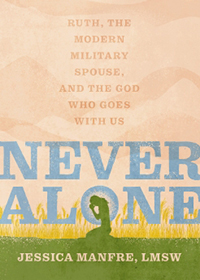 United States Coast Guard spouse Jessica Manfre has lived that journey of drowning in fears and feeling lonely and isolated. While reading the book of Ruth, the licensed social worker and therapist realized the similarity of Ruth’s story and her own. That experience birthed Never Alone: Ruth, the Modern Military Spouse, and the God Who Goes with Us.
 The narrow way is contrary to everything American culture and human desires tell us is good, Rich Villodas suggests. The narrow way looks painful and backward.
 Ed Uszynski approaches CRT from a conservative and evangelical perspective. He holds to the infallibility of Scripture and calls for being discipled by the Bible, not sociology or politics. He doesn’t mince words, and he doesn’t take sides … politically. He says if you don’t have time or aren’t going to read about CRT, then, please, read your Bible.
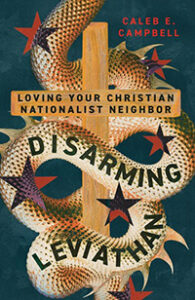 However, Christian nationalists are not the enemy. Some are family members. Many are devoutly committed to God, although they have been fed a distorted picture of what the Lord requires—and it’s not doing justice, loving mercy and walking humbly. All are neighbors whom we are called to love.
 For others, like me, it’s the vehicle by which the sacredness of life in this world can be captured most specifically—in a brief set of intentional words, which illuminate beauty, meaning and value in even the most mundane moments.
 Centered on a three-part framework of preparation, dedication and liberation, the book systematically addresses systemic racism and how its threads can be unwoven.
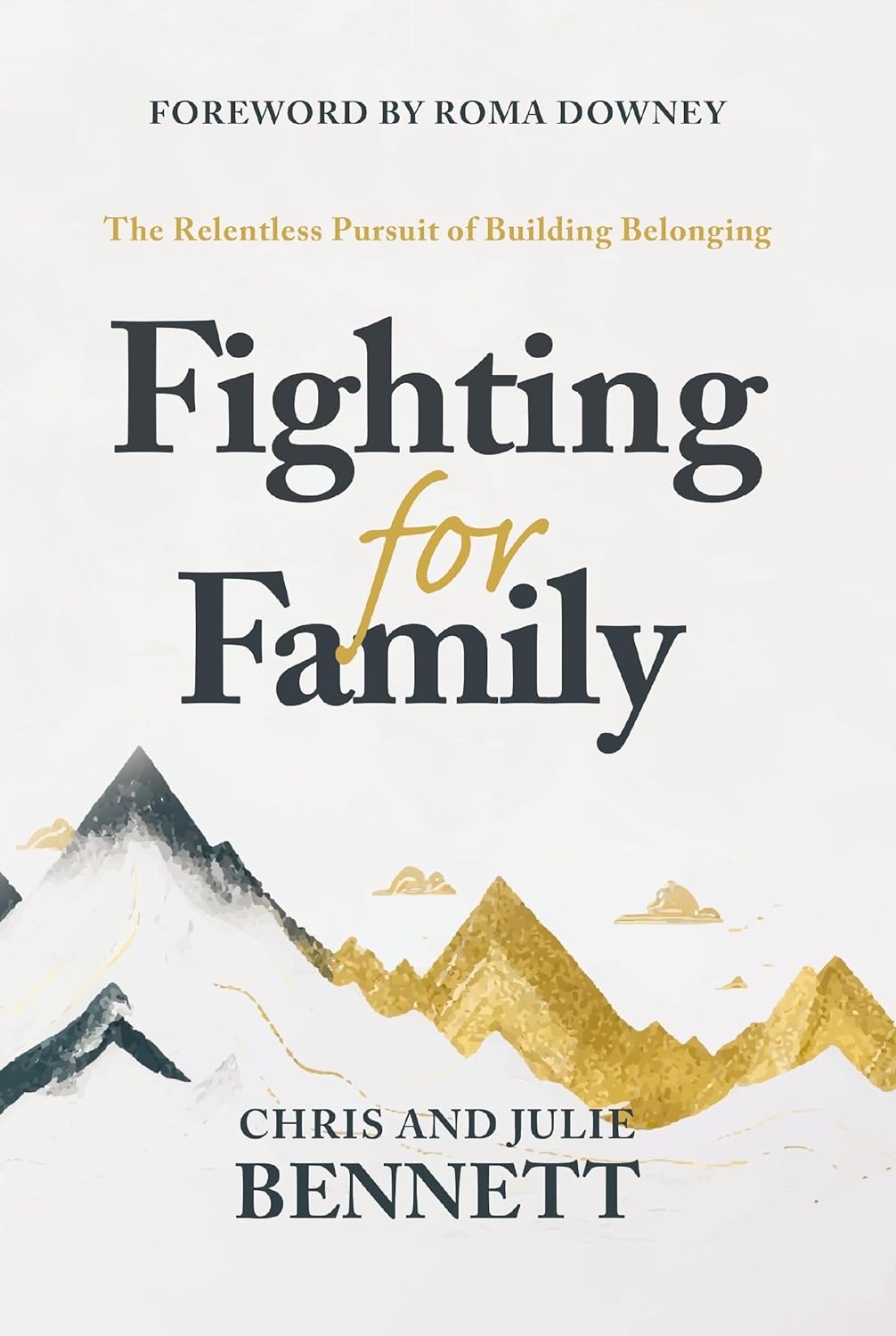 In 2018, the Bennetts moved their family of six from Oklahoma, where Chris was a minister, to California, hoping to create an entertainment company related to “all things family,” only to be hit by an unexpected cancer diagnosis.
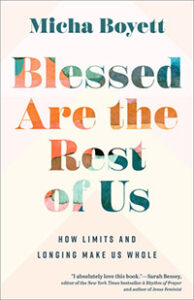 Jesus challenged his followers to exercise their spiritual imaginations, envisioning a way of living that prioritizes the vulnerable with all their vulnerabilities. Micha Boyett challenges readers to reconsider human flourishing—blessedness—as based on innate worth rather than achievement. She provides a painfully beautiful and honest look at life as it is, with more than occasional glimpses of life lived according to “God’s dream” for humanity.
 But first, Hernandez argues for the necessity of apologetics from the vantage point of spiritual warfare. He uses the word “stronghold” from 2 Corinthians 10:4, defining the term with verse 5: “arguments and every pretension that sets itself up against the knowledge of God.”
 In How Ableism Fuels Racism: Dismantling the Hierarchy of Bodies in the Church, Hardwick, who has quickly established himself as a leading voice in disability theology, does an exceptional job of demonstrating and challenging the way the American (white) church has allowed bias to inform its theology.