





CONETOE, N.C. (RNS)—Congregants at Conetoe Chapel Missionary Baptist Church thought their pastor was crazy when he suggested his rural community take up farming as a way to improve their health and become more self-sufficient.
The small, predominantly Black community, about 80 miles east of Raleigh, is surrounded by vast, fertile farmland but has no grocery store for miles around. According to figures from the Census Bureau, 67 percent of the residents of Conetoe (pronounced Kuh-NEE-tuh) live below the poverty line.
It turned out, Pastor Richard Joyner was prophetic. The venture—which in 2007 was spun off into its own nonprofit, the Conetoe Family Life Center—now produces 1,500 boxes of vegetables a week on land it either bought or leases.
It partners with multiple outfits including public schools, hospitals, the North Carolina Food Bank and local churches to plant, grow, harvest and package the produce, some of which is sold, but most of which is donated.
Funerals—which Joyner used to conduct too many of—are less common, and the health and wellbeing of his congregants who partake of the vegetables, grown without any synthetic chemicals, has improved, he said.
God is not to blame
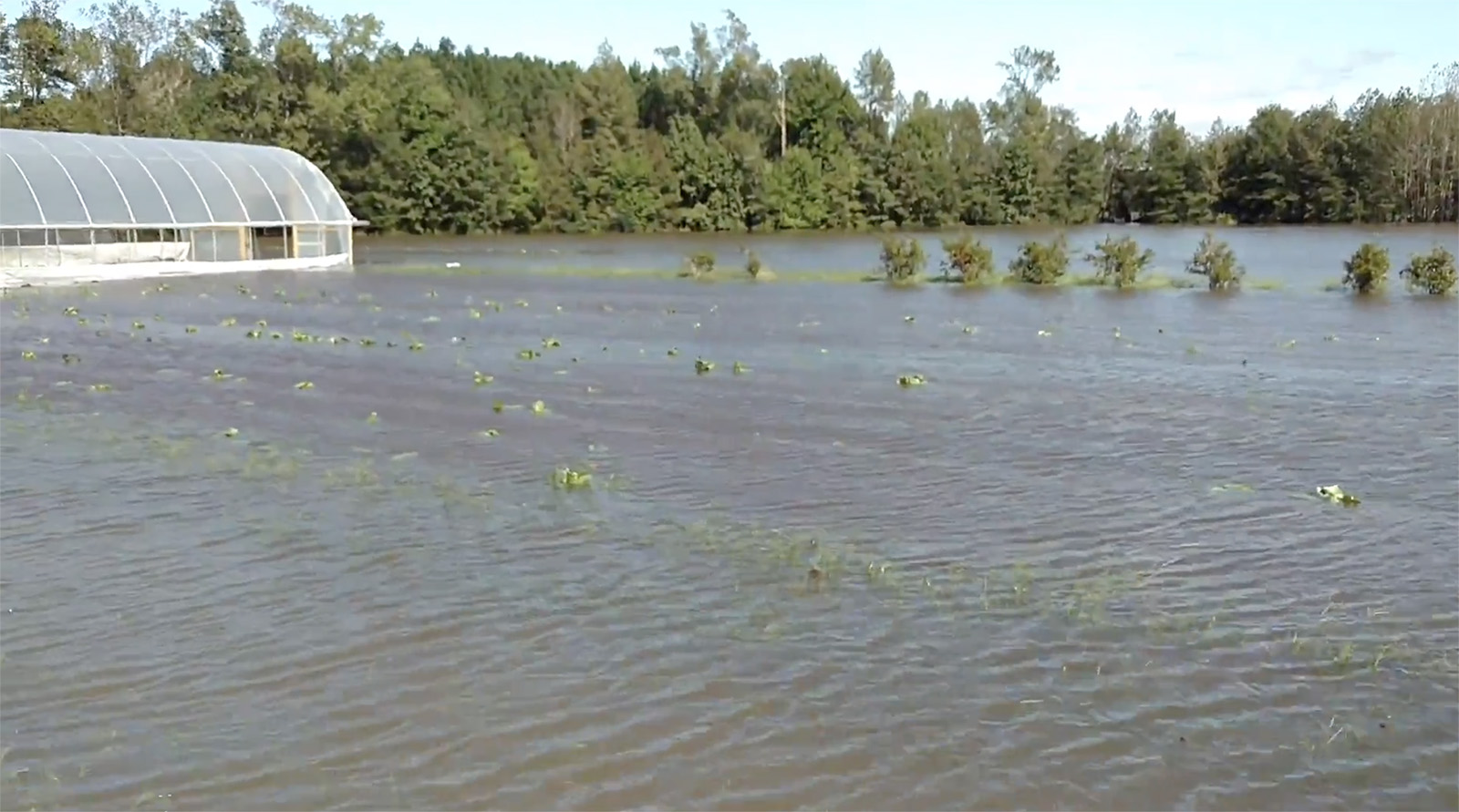
But now Joyner has another problem. Last month, Hurricane Helene flooded some of his fields, wiping out the late August plantings of salad greens, radishes and beets. The soil already was wet from weeks of rain when the hurricane blew in, dumping 17 inches of rain over a two-week period.
Back in 2016, Hurricane Matthew also flooded the nonprofit’s fields. Members of Joyner’s congregation, about 100 people, have suggested maybe God is trying to tell him something.
“We’re in the Bible Belt,” Joyner said. “When my farm floods, people go: ‘Well, God don’t want you to do that. That’s why he keeps flooding it, and you need to stop being hard-headed.’”
Joyner’s new rejoinder: “God is not flooding the land. Our behavior is destroying the environment. That’s what flooded the land.”
Sign up for our weekly edition and get all our headlines in your inbox on Thursdays
Over the last few years, the 71-year-old pastor has become not only a farmer but a climate change activist. Last month, he lent his name to a new group, Extreme Weather Survivors, which provides trauma-informed support for people harmed by natural disasters.
Some of the group’s members, including Joyner, participated in a Climate Week forum in New York City earlier this month intended to convey the message that extreme weather should not be labeled an “act of God” but an “act of man.”
Speakers such as Delta Merner, a scientist at the Union of Concerned Scientists, testified that in North Carolina, studies have shown climate change significantly has increased heavy rainfall.
In other spots, such as Arizona, she said, science can now show a connection between climate change and record-breaking heat waves, which have become more frequent and intense.
Merner, who studies “attribution science,” a field that aims to determine how much human-caused climate change has influenced extreme weather events directly, said researchers are able to trace climate change back to major fossil fuel producers and cement manufacturers.
Explaining this to church members has not always been easy, but Joyner now sees it as his calling.
Farming and environmentalism late-comer
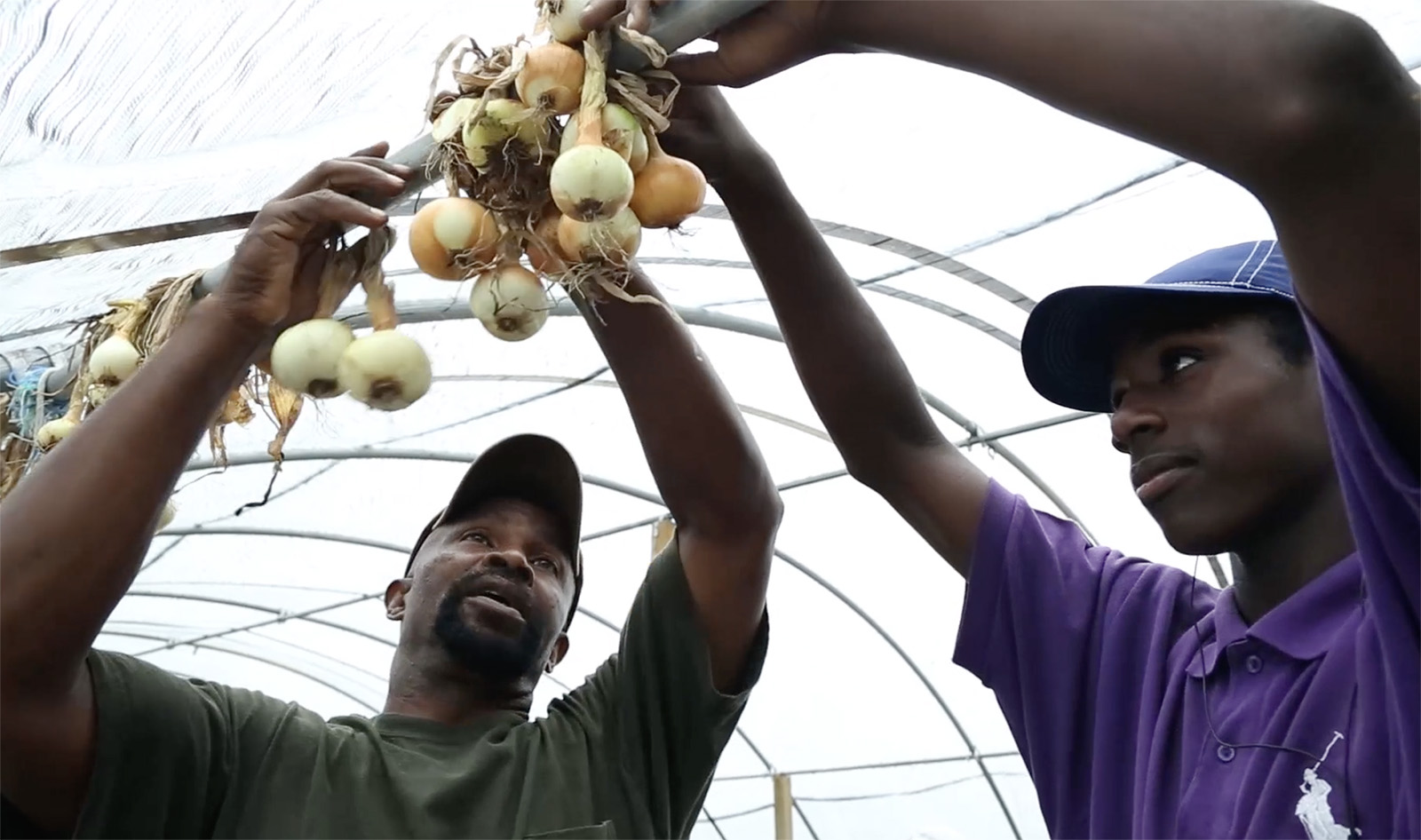
Joyner himself was a late convert to both farming and environmentalism. He grew up on the outskirts of Greenville, N.C., one of 13 children to parents who worked as sharecroppers.
His father, who always kept a garden and some livestock, loved to farm and was especially good at it. But the landowners always cheated him of his earnings, and that soured Joyner on farming.
When he finished high school, Joyner joined the U.S. Army and later the National Guard. He studied chaplaincy at Shaw University and started working as a chaplain at WakeMed in Raleigh and at Nash General Hospital in Rocky Mount.
He initially worked with patients who had HIV, the AIDS virus, and later with mothers in labor and delivery. Finally, he worked as a hospice chaplain, and that’s where he said his own sense of spirituality was cultivated.
In 2004, he became the pastor of Conetoe Chapel Missionary Baptist Church at the prodding of his mentor, who in his dying days transferred the leadership of the small church to Joyner.
Many of the church’s members were suffering from preventable diseases, including diabetes and high blood pressure.
At the time, Joyner still was working in hospice care, while he watched their slow demise and later presided over their funerals.
Convincing members to change their diets and begin exercising was not easy. He said he came to it reluctantly after learning there was no chance a major grocery chain would locate in such a small town, population 671, a classic example of a food desert.
In 2005, Joyner found three property owners willing to let him use their land for a community garden. The first garden was on two acres located a quarter mile from the church.
Resistance turns to advocacy
Church members resisted the idea. Those with painful personal memories of the legacy of Black exploitation working the land were especially suspicious of farming.
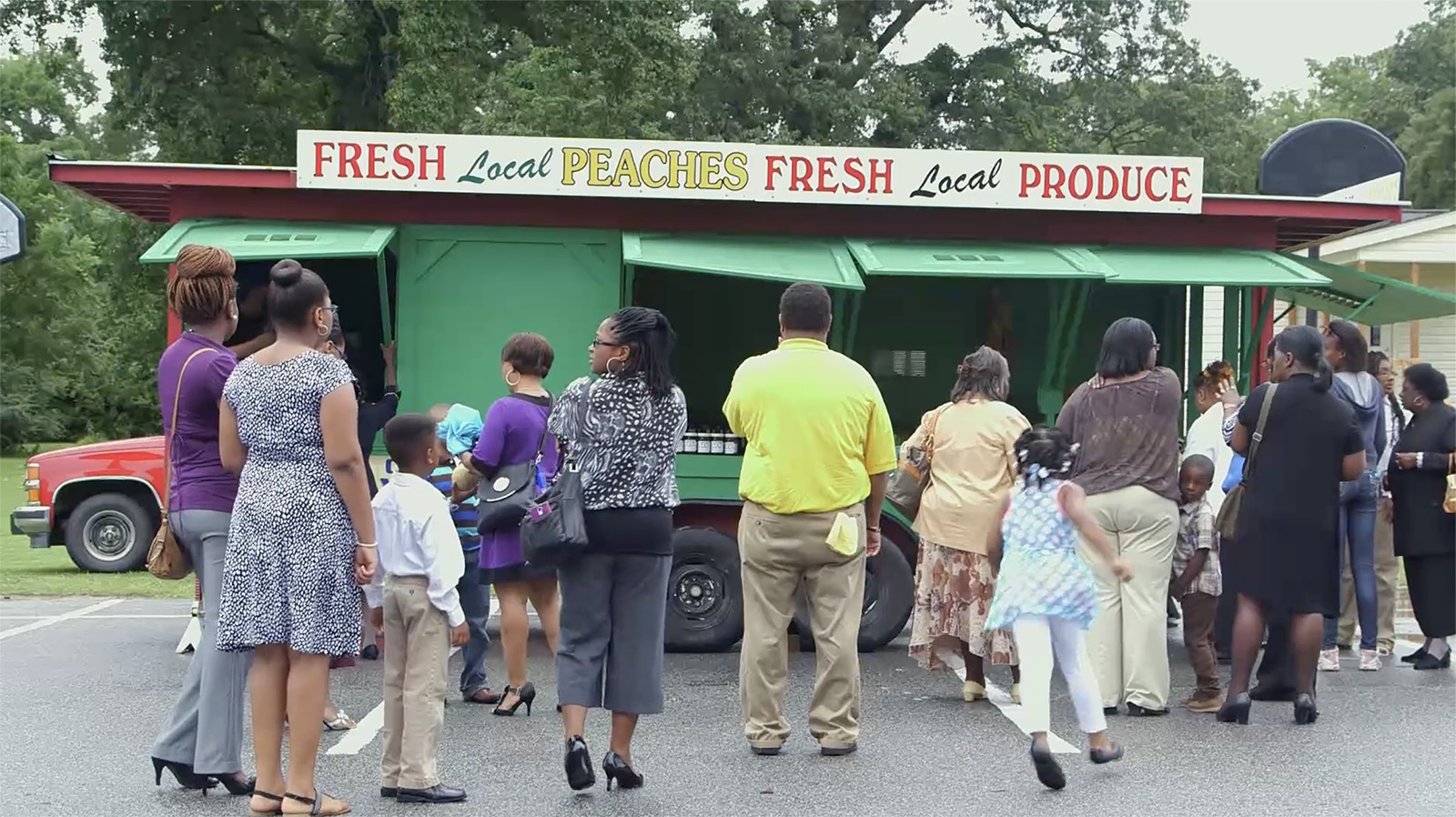
But he was able to win over the children and eventually the adults, too. The gardens grew to encompass a wide range of crops, in addition to 30 beehives, whose honey is sold locally.
Joyner won several awards for his burgeoning community farm, including a 2014 Purpose Prize, which recognizes social innovators older than 60.
The farm partnered with several universities to study whether food-as-medicine interventions work on people with chronic diseases. It also started a health kiosk on the farm where people can contact health providers online.
CNN did a feature story about the enterprising pastor and his community farm. More recently, the Conetoe Family Life Center built a kitchen on the farm where people can learn to prepare plant-based nutritious meals, and church members caught on.
Now, Joyner is studying how to change farm practices in a time of climate change.
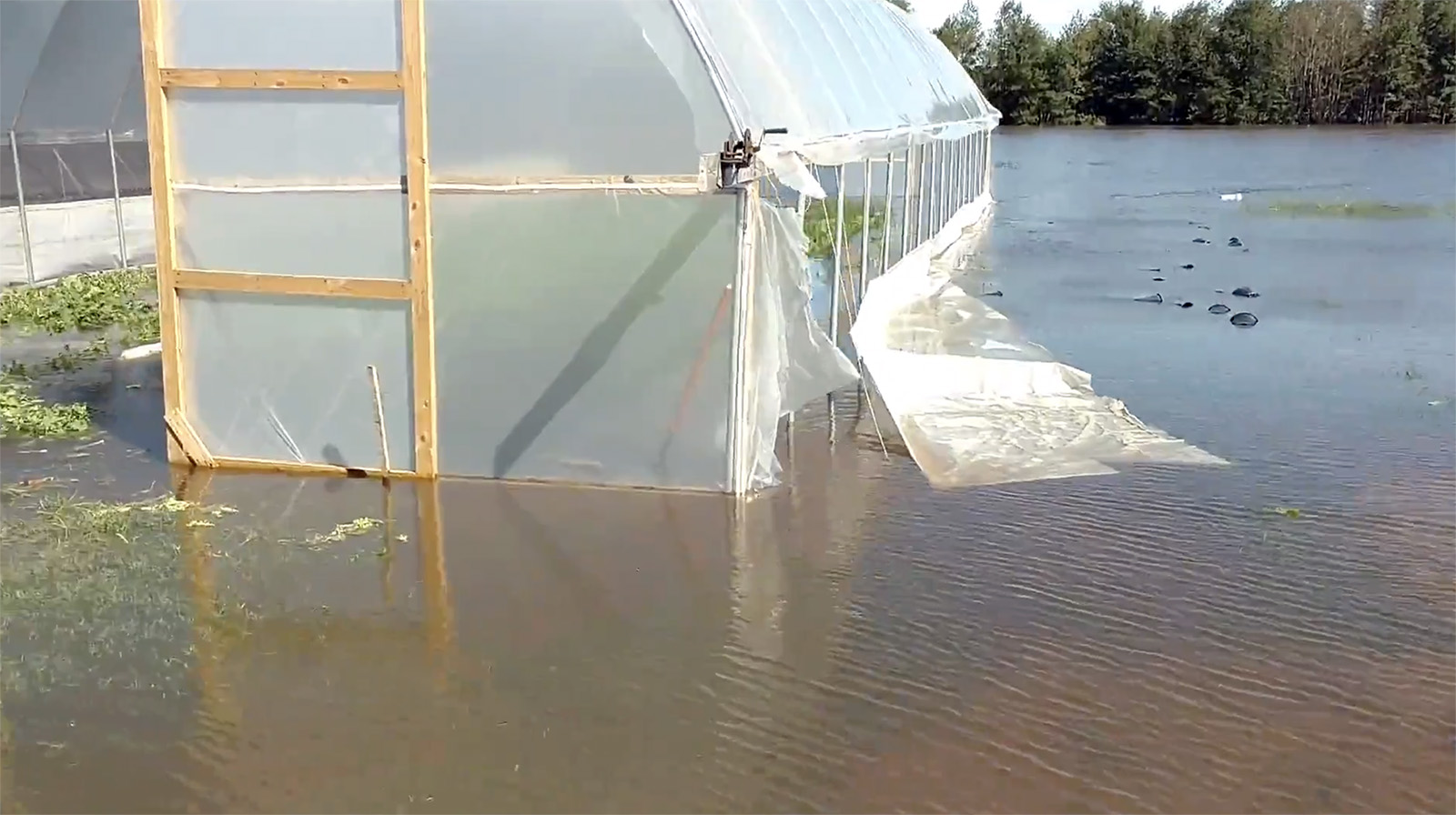
He’s now considering different ways of farming. He recently learned tractors can compact soil and increase the risk of flooding by making the soil less porous. He also knows high tunnels—unheated, plastic-covered hoop-house structures—can provide some protection from rain and include some anti-flooding drainage systems.
One such high tunnel on the farm saved rows of peppers—banana peppers and habaneros—from being ruined. He now wants to build more.
But finally, there’s the job of advocacy—getting people to understand they live in relationship with creation and if they abuse and manipulate that relationship, there will be consequences.
Living in relationship to the earth and to other human beings and sharing that bounty is now the core of his spiritual journey.
“I’ve been in Christianity all my life,” Joyner said. “But, these fields have become the most powerful place of worship I’ve ever been on.”
It’s a lesson his parents and grandparents knew and one he hopes more people can recover.
“My grandma would always say, ‘This is God’s beautiful earth, and you have one responsibility—to leave it better than when you got here,’” Joyner said. “I take that seriously.”








We seek to connect God’s story and God’s people around the world. To learn more about God’s story, click here.
Send comments and feedback to Eric Black, our editor. For comments to be published, please specify “letter to the editor.” Maximum length for publication is 300 words.