Churches called to ‘break the chains’ of family violence

Given the prevalence of family violence and human trafficking in Texas, every faith community will encounter survivors, participants in a Texas Department of Family and Protective Services webinar learned.

“It is too common for you not to have encountered somebody,” said Samantha McWhinney, prevention coordinator at the Texas Council on Family Violence.

McWhinney addressed more than 100 participants in an Oct. 17 webinar titled “Breaking Chains: A Faith-based Approach to Domestic Violence and Human Trafficking.”

In order to “break the chains,” churches and other faith communities must create a culture where coercion, control and violence are not tolerated, McWhinney asserted.

More than 1 in 3 women and 1 in 4 men in the United States have experienced rape, physical violence or stalking by an intimate partner, she noted.

National hotlines rank Texas second among all states in contacts regarding domestic violence at 19,168 and human trafficking at 2,373, she reported. Furthermore, 80,000 youth were sexually trafficked in a single year in Texas.

Control and coercion are the common denominators that link family violence and human trafficking, McWhinney said.

She defined domestic violence as “a pattern of behaviors used by one partner to maintain power and control over another partner in an intimate relationship.”

Human trafficking occurs “when a trafficker uses force, fraud or coercion to control another person for the purpose of engaging in commercial sex acts or soliciting labor or services against his or her will,” she said.

“Family violence and human trafficking both are rooted in power control dynamics,” McWhinney said.

Behaviors common to perpetrators of family violence and human trafficking include coercion and threats, intimidation, isolation, economic abuse and emotional abuse. Minimizing, blaming or denying are also tactics they use against victims.

Isolation and victim-blaming also are used in some faith communities by individuals who misuse the tenets of their faith and cherry-picked excerpts from sacred texts to allow abuse and violence in their midst, McWhinney noted.

Other religiously abusive practices she identified include: using community coercion and spiritual authority to enforce subservience and submissiveness; prolonging abusive relationships by insisting victims remain in those relationships; restricting access to health care; using children to manipulate victims of abuse; and controlling sexuality and reproduction.

‘Leaving does not equate with safety’

Family violence literally is a matter of life and death. Last year, 205 Texans were killed by their intimate partner, and an additional 16 bystanders were killed, McWhinney reported.

Of the 205 victims, 92 individuals—45 percent—had separated or ended their relationship with their abuser, she added.

“Leaving does not equate with safety,” she said.

In Texas, half of eligible individuals who contact a family violence shelter will not receive help because there is no space, McWhinney stated.

Nine out of 10 survivors experience homelessness at some point due to fleeing family violence, and child care is available on site at only 40 percent of family violence agencies in the state.

“Support needs to be survivor-centered,” McWhinney said. “Trust survivors that they know what they need.”

Churches and other faith communities can be involved in primary, secondary or tertiary prevention, she suggested.

Primary prevention is focused “upstream” to address violence before it occurs. This involves changing systems and societal norms regarding the use of coercion and violence in relationships.

Secondary prevention involves crisis intervention to minimize harm and to address the immediate needs of survivors.

Tertiary prevention focuses on long-term recovery that “emphasizes healing, safety and stability for survivors,” she said.

She offered other suggestions for faith communities:

  • Be vocal about anti-violence. Address issues of abuse and domestic violence from the pulpit.
  • Create well-known policies. Develop policies that prevent abuse, and educate the entire faith community.
  • Connect with a local program that addresses family violence. Participate in collaborative community responses.
  • Engage youth. Teach adolescents about healthy relationships.



Follow God’s call at any age, refugee advocate urges

WAXAHACHIE—Carla Cochrane said she first felt a call to learn more about asylum seekers in May 2019.

She said it was a time when the news was paying quite a bit of attention to the increase of asylum seekers at the southern border.

“And for some reason, I remember that caught my mind,” she said, and she began to study and learn about it.

Her church, The Avenue Church in Waxahachie, was doing a Bible study on Gideon, Cochrane explained.

“I remember thinking, ‘What do I have in common with Gideon?’” she recalled.

When they finished the study, Cochrane said, “It was like, I felt God saying: ‘This is what I want you to do. You are to advocate on their behalf.’”

God opens doors

The children of Haitian asylum seekers gather for small toys and coloring materials in Reynosa. (Courtesy Photo)

Though she was in her late 50s with grown children and grandchildren, once she said “yes” to God, and began to research and learn about refugee ministry, God began opening doors, Cochrane said.

“That’s why I say, ‘Just say yes [to God],’” she explained, noting no matter how old someone is when God calls, he will use and bless those who say “yes” and are faithful.

Cochrane visited the border for the first time in November 2019.  She visited refugee camps in Reynosa and Matamoros filled with asylum seekers. Her mission friend Sheri Short, who she credits for helping her turn the calling to action, accompanied Cochrane on this trip.

The women met migrants who were waiting for an opportunity to present themselves for asylum at ports of entry in McAllen and Brownsville. They went into Mexico with missionaries from Texas Baptists River Ministry, who took them to the migrant camps in Reynosa and Matamoros.

God continued to open doors, Cochrane said. And, she was able to return to those same camps in November 2020.

When Cochrane grew up in a Fundamental Baptist church in “small town Texas,” she explained, caring for immigrants wasn’t a focus of the church in that community.

She has stayed in “small town Texas” as an adult, so her environment has not shifted much in its lack of commitment to refugee ministry. She explained this has been one of the hardest things she’s faced in following this calling.

Cochrane thought when God gave her the heart for this ministry, the people she loves would be excited for her to have found her place in God’s mission, but that is not what she experienced.

Finding a team

While her family and friends support her involvement, their understanding of why it matters so much to her has a limit. So, she was glad to find a community, Women of Welcome, of like-minded women devoted to understanding God’s heart for immigrants.

It was in this community on Facebook where in 2021 she met a sister who would play an important role in the ways that God was leading her, Alma Ruth, founder and director of Practice Mercy Foundation.

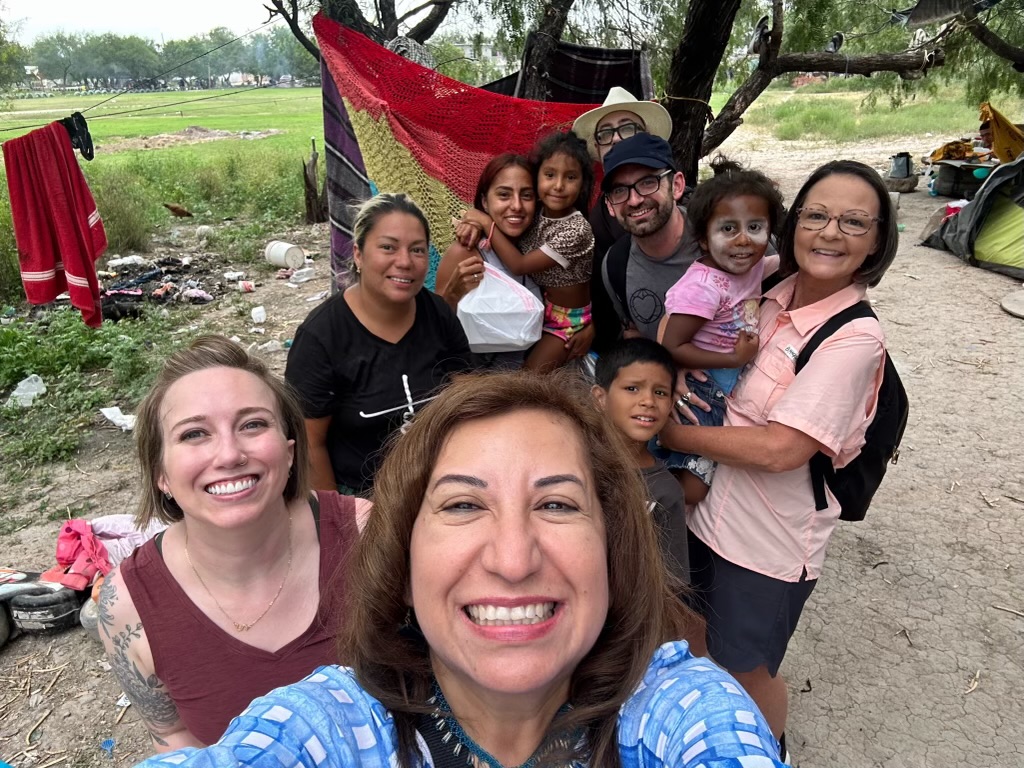
Alma Ruth (front), Carla Cochrane (right holding the child) and friends visit asylum seekers at Reynosa, Mexico in May 2023. (Courtesy Photo)

Cochrane began to learn about Ruth’s mission work at the border through her nonprofit. And in May 2022, she joined Practice Mercy for an immersion trip to visit Senda De Vida refugee shelter in Reynosa.

Then in July 2022 she returned to the border with a mission group from her church. The group met Ruth on one of the days. Ruth took them on a boat tour of the Rio Grande River, where they saw a portion of the border wall that separates the United States and Mexico.

She and Ruth stayed in close touch, and in October 2022, Cochrane became a board member for Practice Mercy Foundation, serving as treasurer until January 2024.

During that time, an in-person board meeting in McAllen provided an opportunity to help with an eyeglass clinic at a Haitian camp in Reynosa in December 2023.

On that same visit, Cochrane met a young Russian pastor and his family staying in Reynosa, who had contacted Ruth for help when they fled Russia because their advocacy against the war in Ukraine made them targets.

God appointments

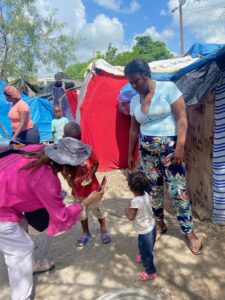
Alma Ruth (left) intersects with a Haitian family that a refugee camp in Reynosa. (Courtesy Photo)

One evening, the group tagged along with a local reporter. Spending time with him allowed the group to interact with asylum seekers who crossed over “and turned themselves in to Border Patrol for a chance to claim asylum.”

Cochrane said about 50 individuals crossed the border that evening.

“There were teenagers, families, mothers and their children, unaccompanied siblings and several older men and women,” she said.

“They were processed to be taken to a detention center by bus. Border Patrol allowed us to speak with them, give them water and snacks, blankets and to pray over them.”

The group felt “this was a moment only God could have orchestrated, for us to have this amazing experience,” Cochrane recalled.

Cochrane went on two additional immersion trips with Practice Mercy in 2023. In May, they visited a Haitian camp in Reynosa, where they spent most of their time with the children. Then in September, they went to a refugee camp in Matamoros, where they conducted an eyeglass clinic, spent time with the children and provided personal hygiene items for the women.

“This trip was life changing for me,” Cochrane recalled, “because God had it planned out to the smallest detail.”

She explained her job was to put lenses into eyeglass frames, and she was struggling a little to get them to go in.

The world’s best hug

Juan, a 15-year-old from Venezuela, came and stood beside her to help with the glasses.

“He didn’t speak English, and I don’t speak Spanish. But when God is in the middle of it, all that really doesn’t matter,” Cochrane observed.

Juan stuck around helping for about three hours, Cochrane wondering all the while, “Why would this teen boy want to spend so much time with a 61-year-old woman?”

After the eyeglass clinic concluded an interpreter came over, so she learned more about Juan.

Cochrane learned he and his 18-year-old brother were both in the camp “awaiting an appointment, through the CBP app, to present themselves for asylum at the port of entry.”

They were hoping to make it to their father, who was in New York. Their mother remained in Columbia.

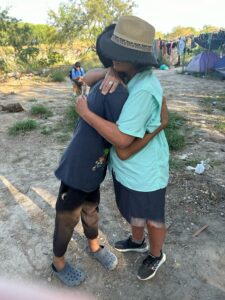
Carla Cochrane hugs Juan. (Courtesy Photo)

Jaun told her he missed his mom. But the saddest thing for him was leaving his grandparents in Venezuela, because he likely would never get to see them again.

“It was at that moment that I knew exactly why God had brought me to this camp at this day and time” Cochrane said. Juan needed a grandmother.

“I asked if I could hug him, and that embrace will be a wonderful memory for me the rest of my life. I attempted to release our hug three times before he finally let go of me. Only God!”

Cochrane said she will continue to visit the border to serve, walk alongside and hear stories from asylum seekers to advocate on their behalf, for as long as God makes it possible.

“I always tell others that the greatest take-away for me is that God has allowed me to see others through the eyes of Jesus, and therefore my heart is forever changed.

“He has filled it with so much love, compassion and joy.”

 And, she said she heard from Juan’s dad. Juan was in New York City. Both boys made it to asylum and to family.


How to reject purity culture but keep your faith

(RNS)—Whether it was wearing a “True Love Waits” ring, reading I Kissed Dating Goodbye or awaiting a fairy-tale marriage, as a teenager Camden Morgante was all-in on what is often referred to as “purity culture,” a set of beliefs and accompanying resources that emphasize saving sex until marriage.

The culture that developed around these teachings—books, rings, conferences, branded Bibles and more—had a particular heyday within evangelical circles in the 1990s and early 2000s.

Now a mental health professional with a doctorate in psychology, she understands the emotional, physical and spiritual repercussions that can result from what she describes as purity culture’s false promises.

But rather than causing her to leave Christianity behind, reckoning with the negative impact of purity culture has only made her more certain of what she believes and why.

That’s in part why she has written a book.

“My main goal was to help readers see that they can heal from purity culture and hold onto their faith,” Morgante told RNS.

Written with the firsthand knowledge of a onetime purity culture proponent and the insight of a psychologist, Recovering from Purity Culture: Dismantle the Myths, Reject Shame-Based Sexuality, and Move Forward in Your Faith is a new release from Baker Books that offers practical tools for stepping toward healing.

RNS spoke to Morgante about alternatives to purity culture’s sexual ethic, the connections between purity culture and sexual disorders and how to avoid perpetuating purity culture in adulthood. This interview has been edited for length and clarity.

What are some similarities between purity culture and the regency-era approach to marriage and sex in shows like Bridgerton?

I define purity culture as a largely evangelical movement that peaked in the 1990s to 2000s that attempted to persuade young people to avoid sex. But certainly the belief in virginity, especially for women, has been present for hundreds, if not thousands of years, and in many cultures.

When I started watching Bridgerton, a show that I really like, the similarities really stuck out to me. Women’s virtue is tied to their virginity and desirability as a partner, and they’re considered unclean or damaged if they are even alone with a man. You also see the flip-switch myth perpetuated in that show, this idea that once you get married, sex is just automatically going to be amazing. And the truth is that sex is a learned skill that we have to work on together.

You write that purity culture can contribute to rape culture. How so?

Purity culture includes this modesty culture of policing women’s clothing choices and caring about what the opposite sex thinks about your clothing. The whole purpose of being modest is to prevent men from lusting after you.

It’s not a big jump from that to rape culture, where you blame women for their sexual assault by questioning, ‘What were you wearing? Who were you with?’ Certainly we see rape culture not just in the church; it’s part of our society as well.

And the ‘Me Too’ movement has brought a lot of needed attention, but we need more attention to that in the church, too, and the ways that these well-intentioned teachings about purity have inadvertently contributed to allowing sexual abuse to occur and to be covered up in the church.

Can you explain how, from your perspective, a sexual ethic based on consent can trade one form of legalism for another?

In my chapter on reconstructing your sexual ethic, I am taking a middle perspective of criticizing both an ethic of shame, which is what I call purity culture, and an ethic of consent, which is a dominant perspective in our society today, and also the dominant perspective often in progressive Christianity as well.

The reason I criticize that is because it doesn’t do the work to discover the deeper “why” of one’s sexual ethic. Even if you no longer hold to a traditional Christian sexual ethic of waiting until marriage and faithfulness between the two spouses, there’s still more to your sexual ethic than just, as long as it’s legal and consensual, it’s fine.

I really wanted to challenge people to dig deeper and to see that when you swing the pendulum and exchange purity culture for what society is offering you, you’re still not doing the work of discovering your own beliefs and values and then making choices aligned with those beliefs.

What might be an alternative to both purity culture and the ethic of consent?

A values-congruent sexual ethic is the middle path I recommend. And I recognize that can look different to people. I wanted to be honest about where I landed, but I want you to have your own process. I encourage people to figure out their own values and make choices aligned with those values.

As you note in your book, Sheila Wray Gregoire and her team found that Christian women report vaginismus at more than twice the rate of the general population. What does that have to do with purity culture?

Vaginismus is a sexual pain disorder for women that makes sex extremely painful or even impossible, because the vaginal walls spasm and clench up. I conceptualize purity culture as a form of trauma for some people, because it can lead to a traumatic response in your body.

I have clients who’ve been married for 15 years to a healthy spouse who’s safe and loving and faithful, and yet their body still cringes. They still feel shame about sex. They’re in their head, instead of in their body during sex.

There are all sorts of physical responses even after people have intellectually left behind the myths of purity culture. Because purity culture uses fear and shame as tools of control to persuade people to avoid sex before marriage, that doesn’t just get turned off once you’re married.

And so, I think vaginismus is a response to that where the body is recoiling and reacting to attempted penetration by clenching up and closing off, literally, because you’ve been taught to avoid sex for so long and suppress your sexuality.

As a psychologist, what are some initial recommendations you might give to someone experiencing the physical consequences of purity culture?

I start off by validating their experience. These symptoms are normal, and I see them a lot in my clients. Research shows that the sexual responses of people who come out of purity culture look very similar to the sexual responses of sexual assault survivors. I help them understand these reactions in their body, so they’re not carrying that shame of thinking there’s something wrong with them.

And then one of the best tools I have found in my practice is mindfulness meditation. People can start to develop a relationship with their body that helps the embodiment process begin. Instead of suppressing and avoiding, denying, my goal is to help them embrace and connect and integrate to the different parts of themselves.

Purity culture doesn’t just impact people physically—it can have spiritual repercussions, too. What has that looked like for your clients?

I wanted to also destigmatize the process of deconstruction in the book. Rethinking your beliefs really goes hand in hand with recovering from purity culture, because it’s going to open up broader questions about the purpose of sex, our theology of suffering, gender roles, singleness, sin and grace. I want people to know it’s healthy.

I cite James Fowler’s theory of spiritual development in the book. His theory shows how, as our abstract thinking develops, our spirituality will also have more complexity. Those who remain in more black-and-white thinking, they’re going to remain at earlier stages of faith development. So while deconstruction is normal, it can be painful and isolating, and for that reason, we need community. And we need to know that we don’t have to lose our identity as Christians.

I use the analogy of house repairs in the book. It doesn’t have to mean demolishing one’s spiritual house. It can be a renovation of your faith house, and Jesus can be with you in that process.

What advice do you have for how Christians might avoid passing purity culture on to future generations?

In the book, I offer strategies and scripts for parents. That can look like having ongoing conversations and starting early, talking about their bodies, talking about and modeling consent in shame-free ways.

Embed the conversation about sexuality in broader conversations about values. How do we show respect for others and their bodies? How do we show respect for our own bodies and our own desires or boundaries?

Help your kids think through different moral dilemmas that come up on TV or with friends. That way, they’re learning how to think, and it’s not just you telling them what to think.


Obituary: Douglas Edward Pond

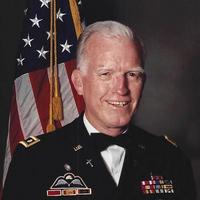
Douglas Edward Pond of Temple, former Texas Baptist pastor and retired U.S. Army chaplain, died Oct. 12. He was 90. He was born March 1, 1934, the eighth of 11 children of Amie and Lee J. Pond, in Bryson. When he graduated from high school in O’Donnell, he became the first of their children to earn a diploma. He went on to work his way through Hardin-Simmons University. He married his college sweetheart Nancy Stewart on May 27, 1955. After graduating with a Bachelor of Science degree from Hardin-Simmons in 1956, he received an Army Reserves artillery commission at Fort Hood, taking steps toward his long-term goal of becoming a military chaplain. He earned his Master of Divinity degree from Southwestern Baptist Theological Seminary in three years, while working fulltime for Mrs. Baird’s Bread. He went on to serve as pastor of Locust Grove Baptist Church near Canadian, First Baptist Church in Follett and First Baptist Church in Cactus.  While in Cactus, he learned the Southern Baptist Convention was requesting Army chaplains to serve in Vietnam. After eight years in the Army Reserves, he moved to active duty for another 28 years. Chaplain Pond served in Vietnam 1968-1969, where he received three Bronze Stars and the Air Medal. As a battalion chaplain in Vietnam, he frequently caught helicopter rides to each of the forward operating bases of his five companies to offer counseling and church services on the front lines. Caught in numerous firefights and surviving a Chinook helicopter being shot down, he sustained multiple concussions while serving his men. After Vietnam, he went to Fort Benning, Ga., and attended Airborne, Jumpmaster and Ranger schools. He served as the Airborne School Chaplain and then became the first chaplain ever assigned to the staff of the Ranger Department and the first chaplain to wear the Ranger Black Beret. At the time, he was reported to be the first chaplain since World War II to complete both Airborne and Ranger training. Pond said he pursued the training to earn the respect of his men, so they would be more open to his counsel and his ministry. Pond also served a year in Korea, as well as other assignments including Fort Bliss, Fort Hood, the Chaplains School and NATO’s Supreme Headquarters Allied Powers Europe in Belgium, before his retirement from Fort Sam Houston, Texas, in 1995. After retirement, he continued to serve 20 years as a volunteer chaplain at the Brook Army Medical Center in San Antonio. He is survived by his wife of 69 years, Nancy Pond of Temple; son Jack Douglas Pond and his wife Susan of Downingtown, Penn.; son Randall Stewart Pond and his wife Barbara of Fountain, Colo.; daughter Sharon Lynn Hollon and her husband Brian of Frisco; daughter Amy Elizabeth Carr and her husband Paul of Temple; nine grandchildren; eight great-grandchildren; and three sisters, Dorothy Olds and Lois Anderson, both of Arlington, and Johnnie Skaggs of Glendale, Ariz. Visitation will be at 10 a.m. on Oct. 22 followed by services at 11 a.m. at Taylor’s Valley Baptist Church in Temple. A military burial will be at 2 p.m. at the Central Texas State Veterans Cemetery in Killeen. In lieu of flowers, donations may be made to Texans on Mission, Samaritan’s Purse or the church building fund at Taylor’s Valley Baptist Church in Temple.



Former seminary professor pleads guilty to lying to FBI

(RNS)—A former professor at Southwestern Baptist Theological Seminary pleaded guilty Oct. 16 to lying to the FBI during an investigation into sexual abuse.

Matt Queen, the pastor of Friendly Avenue Baptist Church in Greensboro, N.C., had pleaded not guilty earlier this year when charged with obstruction of justice for actions taken when he was a professor and interim provost at Southwestern Seminary in Fort Worth

Southwestern Baptist Theological Seminary in Fort Worth (BP File Photo)

As part of an investigation into the Southern Baptist Convention and its entities, federal officials have been looking into alleged sexual abuse that occurred in 2022 at the seminary. School officials were required to turn over any documents related to abuse to the Department of Justice.

However, an unnamed seminary official, known as “Employee-2,” allegedly ordered that a report on the 2022 abuse case—which detailed that the seminary had known about the alleged abuse but failed to act on it—be destroyed.

According to federal officials, Queen heard Employee-2 order “Employee-1,” the staffer who wrote the report, to destroy it and then allegedly lied to federal officials about it. Queen was also accused of creating fake notes about the conversation surrounding the report.

Queen’s story changed under oath.

“On or about June 21, 2023, MATTHEW QUEEN, the defendant, testified under oath that on January 26, 2023, he had in fact heard Employee-2 instruct Employee-1 to make the Document ‘go away,’” according to a court filing.

Matt Queen in a video for Southwestern Baptist Theological Seminary in November 2022. (Video screen grab via RNS)

On Oct. 16, the U.S. attorney for the Southern District of New York filed court documents charging Queen with falsification of records and providing false information to law enforcement. As part of an arrangement with federal officials, Queen pleaded guilty to the second charge.

“I understand that if my plea is accepted, my sentencing will take place before the United States District Judge who is assigned, or who is to be assigned,” Queen said in a court filing.

A trial on the earlier charges had been scheduled for November.

Queen’s attorney said that the guideline for this offense is zero to six months and hopes Queen will not be incarcerated. Sentencing currently is set for February.

Sam Schmidt said prosecutors approached Queen about a plea deal and said his client admitted to making a false statement.

“And for the past year and a half, he has regretted, repented and tried to make himself a better person for making that mistake,” he said.

Since 2022, the Department of Justice has been investigating the SBC and its entities, in response to the Guidepost report that year, which found SBC had long mistreated abuse survivors and downplayed the issue of abuse in the nation’s largest Protestant denomination.

But aside from the charges filed against Queen, few details about the investigation have been made public.

The SBC admitted the investigation—along with other lawsuits filed in the wake of the Guidepost report—has led to a fiscal crisis for the SBC’s Nashville-based Executive Committee. That committee recently announced plans to put its office building on the market in part because of its strained finances.

The identity of the seminary official who ordered the report destroyed has not been made public. However, Terri Stovall, the seminary’s dean of women, has come forward as the person who wrote the initial report on the 2022 abuse case. Stovall, according to school officials, refused to destroy the report.

“I am grateful for the diligence of the Office of the U.S. Attorney for the Southern District of New York for holding Queen accountable for his criminal actions while serving as interim provost at Southwestern,” Stovall said in a statement.

“My hope is that the full truth and extent of his actions—and the actions of others who are no longer employed at Southwestern—will one day come to light.”

Southwestern officials said they will continue to cooperate with the DOJ investigation.

“We pray for victims of sexual abuse. Southwestern Seminary remains committed to doing everything possible to protect all members of the seminary community from sexual abuse and harassment,” the seminary said in a statement.

“Our prayers continue for Matt Queen and his family, as well as for others who have been involved in this process.”

After he was charged this past spring, Queen was placed on leave by Friendly Avenue Baptist Church. Church leaders currently are working on a response to his guilty plea, according to a statement on the congregation’s Facebook page.

“We stand firmly against any behavior that undermines trust and integrity,” the church said in its statement, which noted that Queen, who has been on leave since May, had admitted to a “serious crime.”

“Our church leadership is reviewing these recent developments as it works to complete its investigation and submit a recommendation to the church membership concerning Dr. Queen’s status and relationship with Friendly Avenue Baptist Church, all in accordance with the church’s governing documents.”


Webinar explores how to thrive throughout the election

Panelists in a webinar sponsored by Baylor University explained hyper-politicization from philosophical, psychological and theological perspectives. Then they offered concrete strategies for political desaturation.

David Corey moderates the panel discussion on political desaturation. (Screenshot)

David Corey, director of Baylor in Washington, moderated the Oct. 15 webinar on “Political Desaturation: How to Thrive Before, During, and After the 2024 Election.”

Joining him were panelists Robert Talisse, a political philosopher from Vanderbilt University; psychiatrist and author Curt Thompson; and theology-trained leadership coach Elizabeth Oldfield, who joined from the UK.

Framing the discussion, Corey posed the question: If political engagement is a virtue in democracy and it’s a “good thing” for people to be active in politics, how can there be such a thing as political oversaturation?

Robert Talisse provides a philosophical perspective in the panel discussion. (Screenshot)

Talisse responded the idea of having “too much of a good thing” is readily accepted in other areas.

“You know, the 12th bite of a cheesecake is really just not as good a thing as the first three bites,” he noted.

As a “better example,” he described a friend of his who set a goal to become physically fit.

The goal was a positive one, but the commitment to becoming physically fit took over. She lost sight of virtually everything else in her life in pursuit of that goal. The woman became so focused on workouts and her physical health project, it began to affect relationships and isolate her from friends.

He pointed out fitness didn’t stop being good, but “what fitness was good for” got lost in the hyperfocus on fitness itself.

Similarly, he observed, “There’s a good that is achieved in being an active democratic participant. But when that project becomes the center of everything that we do, it becomes a little bit like my friend in the gym.”

Elizabeth Oldfield offers theological insight to the panel. (Screenshot)

Diminishing common life

The politicization of institutions and relationships that aren’t intrinsically political did not previously exist to the extent it does now, Oldfield noted. It’s a development she attributes to “the retreat of other forms of common life.”

Psychology and theology, she said, always have known about deeper needs.

“We need belonging. We need to be part of something. We need a story that is bigger than us. We need meaningfulness and a stable sense of self,” she said.

In the past, those had been formed locally in multiple connections—to family, guilds based on common types of work or types of people, faith and religious identity, and stability in these areas. But all those ways people used to find meaning and identity have eroded, she said.

“So, all of that weight, all of that longing, all of that need doesn’t have as many places to go,” Oldfield asserted.

Her feeling is that it now either “goes into trying to stabilize ourselves as a consumer,” or it goes into “trying to give ourselves a sense of identity as a political animal,” and “finding ourselves” in a broader political story.

Neither of those is “supposed to take that weight,” Oldfield noted. “They are not designed for that.”

Curt Thompson views the issue through the neuro-psychological perspective of psychiatry. (Screenshot)

Addiction and idolatry

From a psychological standpoint, Thompson suggested hyperfocus aptly could be termed “addiction.” Or it could be described biblically as “idolatry”—the idea that “I’m going to commit myself to something at the expense of all other good things.”

It’s not always easy to determine when the line between healthy participation and addiction or idolatry has been crossed.

“Most people who are addicted find that their power in that addiction has everything to do with their isolation,” Thompson said. “The more isolated I am, the more likely I am to need something to cure me of my isolation.”

The addiction is the attempt to cure the isolation. But the data shows community is the most helpful way for addiction to be resolved and healed, Thompson asserted.

“We find ourselves weighted with our grief, weighted with our fear, weighted with our shame.”

But individuals don’t turn to deeper modes of healing for these issues “that we all really have in common as humans—the Democrats and the Republicans both have lots of grief,” he noted.

“But we turn to our different addictions,” isolated from those things that “actually bring us the most health and regeneration”—relationships, faith and religious institutions.

Talisse pointed out the level of disagreement or division on political topics hasn’t increased since the 1990s, but “the level of animosity toward perceived political opponents has skyrocketed.”

“We don’t disagree more severely, but we dislike each other more,” to the point of liking to dislike each other. “We’re addicted to negative affect toward perceived outsiders.”

Whereas politics once was viewed as something necessary but not deserving of passion, with the retraction of local forms of common life, politics has taken on a “sacred weight,” Oldfield said.

Politics has become the “only way that we know how to negotiate these goods. The only way we know how to actually be together, and increasingly seems to be cannibalizing our common life and our ability to hold each other as really human.”

Thompson asserted, culturally, “we are accounting for our collective grief over a period of many, many years.”

Ways to push back division

One way to overcome divisions when “things get testy,” Thompson suggested, is to ask the questions: “What is it you really want? … Do you want to be angry with me? … “What are you afraid of?” These questions, asked with vulnerability, help focus on what is held in common between people of differing positions.

Our two-party, “fairly zero-sum” political system “trains us to win” and “defend our own,” which is theologically problematic, Oldfield noted, “leading us to not know how to have a common life.”

But healthy societies find ways to keep in check the natural tendency to prefer “people like me” so all the members can recognize the humanity of others and take others’ needs into consideration in decision making, she claimed.

To desaturate from hyper-politicization, Thompson suggested inviting one person who thinks “differently from you” to coffee and ask that person questions in “genuine curiosity.”

Take “steps of embodiment” to form a relationship—actually get in the room “with someone who is different from you,” and ask: “What is it like to live with someone like me?”

Ask these types of questions that will lead to finding the many things two people, even of opposing viewpoints, invariably will have in common, he said.

Oldfield agreed, suggesting people must get out of comfort zones and “unclench a little bit from our fear,” knowing a “fight or flight” sensation is to be expected, but can be pushed through.

In these efforts, banish contempt, she urged, consciously resisting the impulse to view a person who disagrees with an angry disgust that will trigger shame and lead to rejection of the bridge-building efforts.

Additionally, to achieve political desaturation, she suggested withdrawing from political news and conversation, if one has already come to a decision about a vote—with the caveat one shouldn’t become so far removed as to miss new information that might change that decision.

We cannot “Save ourselves, with the capital ‘S’” through politics, panelists asserted. Theologically, politics isn’t the answer.

Desaturation does not equal political disengagement, but it is a necessary action to combat some of the political dysfunction, they agreed.

“We have to do the work,” to keep in check the impulses that would drive toward deeper division and away from community, Thompson noted.

That’s true even when the opposing viewpoint seems “abhorrent,” Oldfield agreed, so that learning to see political opponents as fellow human beings with a common set of needs becomes a possibility again.


Texas disaster relief teams provide ‘breath of fresh air’

ELIZABETHTON, Tenn.—More than two weeks after Hurricane Helene hit northeastern Tennessee, life slowed to a crawl. The floodwaters are gone, but destruction remains.

At least that was the case until Texans on Mission volunteer flood recovery teams began cleaning out homes affected by the storm.

Local residents viewed them as an injection of energy, help and hope across the region.

“I haven’t been happy since the flood—until today,” one homeowner told a Texans on Mission team as they worked on her home.

More than 25 Texans on Mission teams—supplemented by local volunteers and out-of-state church mission teams—have focused on meeting needs in parts of Florida, Tennessee and North Carolina after Hurricane Helene and Hurricane Milton.

These include chainsaw teams, flood recovery teams, mass feeding teams, heavy machinery, shower/laundry units, chaplains and more.

In all, Texans on Mission volunteers have served more than 9,000 hours. They have provided more than 30,000 meals. And they continue ministering today in Christ’s name.

Ray Gann, who is leading the feeding team in Port Charlotte, Fla., said volunteers are working together like a family. They help each other out. They focus on meeting needs and helping others.

It’s encouraging to see the body of Christ working together, he said.

“I’ve met many of my friends that I’ve worked with before,” he said. “I’ve met new friends. It’s the camaraderie that’s great. We minister together.”

Team leader Gene Walker and a Texans on Mission chainsaw crew present a Bible to a homeowner in North Carolina. (Texans on Mission Photo)

The presence of Texans on Mission chainsaw teams is being felt across Rutherford County, N.C. One homeowner described the teams as being “like a breath of fresh air” after the oppressive storms.

“I prayed with three homeowners today,” David Wells, Texans on Mission disaster relief director said. “They’re so grateful we’re there. People are waving at us everywhere we go. They’re excited we’re here.”

Local volunteers and mission teams from churches have been a vital part in Texans on Mission ministry after the hurricanes. Local congregations are feeding the Texans and people from all over have jumped in to be part of the volunteer teams. New faces and new energy abound in this relief effort.

“It’s cool to see that spirit,” Wells said.


Resettlement of Christians fleeing persecution rebounds

WASHINGTON (BP)—The United States resettled more Christians fleeing persecution in fiscal year 2024 than it has since 2016, Open Doors and World Relief said in a report unveiled Oct. 14 as insight for policymakers and voters weeks ahead of the U.S. presidential elections.

The nonpartisan groups reported the numbers of refugees and asylum seekers the U.S. has accepted in recent decades, including Christians and others fleeing religious persecution.

Their report also explored how U.S. presidential platform policies will impact the ability of those persecuted for their faith to find refuge here after the November elections.

“I think it would be remiss of me not to note that we are aware that President Trump has pledged to suspend the refugee admissions program on day one, but we also hope that this report will be something that raises voices and attention to this issue, and will persuade him to change his mind if he’s elected,” World Relief President and CEO Myal Greene said on a press call releasing the report.

“And similarly we have seen that the Biden-Harris administration has implemented very significant restrictions on the asylum program, and we believe these restrictions inhibit a pathway for individuals fleeing religious persecution. And so, we would like to see and hope that these issues can be addressed.”

Still, both groups were clear in emphasizing that the report remained nonpartisan.

“Nothing in this report should be construed as an endorsement or denunciation of any particular party or candidate,” Greene said. “But we do know that as many evangelicals and Catholics and Christians come to make their voting decisions here, they should be aware of these facts.”

More than 29,000 Christian refugees resettled

In fiscal year 2024, which ended Sept. 30, the United States resettled 100,034 refugees of all backgrounds, the groups reported, including 29,493 Christian refugees from the 2024 World Watch List of the 50 countries where Christians suffer the most persecution.

The growth was a result of the Biden administration rebuilding the refugee resettlement program after it reached crippling lows during the Trump administration, even in advance of the COVID-19 pandemic, for which the report offered its commendation.

But the report noted restrictions placed on the asylum program in the final year of the Biden-Harris administration that reinterpret existing law to mean those illegally crossing the U.S. southern border are presumed ineligible for asylum, “with very limited exceptions.”

While the rule faces legal challenges, the report notes, it has also “left those with genuine asylum claims—including those persecuted because of their faith in Jesus—at profound risk.”

Such individuals often wait for months in shelters on the Mexican side of the border until they can apply through legal means.

While the Refugee Act, passed in 1980 with bipartisan support, allows each president to set a ceiling for refugee admissions, no such ceiling exists for asylum seekers.

Refugee ceilings have ranged from 231,700 under President Carter in fiscal year 1980 to 15,000 under President Trump in fiscal year 2021, a limit Biden retained in his first year in office. But the refugee resettlement program has rebounded during the remainder of Biden’s term, reaching its current high.

Greene further lamented Trump’s campaign promise to end the refugee resettlement program, citing a Lifeway Research poll showing 71 percent of evangelical Christians believe the nation has a moral responsibility to accept refugees.

“And so what that tells me is that many evangelical voters who are likely to support President Trump are doing so, not because of his views on immigration, but in spite of those views,” Greene said during a Q&A segment.

“For me, I think it would be very prudent for President Trump to reconsider some of his promises that he has made to restrict refugee resettlement,” he said, citing advocacy from the World Relief parent group the National Association of Evangelicals, the Southern Baptist Convention and other evangelical Christian groups for stronger borders accompanied by due process for asylum seekers.

“And that’s a fundamental and essential obligation and it’s ingrained in international law and it’s ethical and represents the best ethics there,” Greene said.

“And what we see in this situation is that we will not live up to our moral obligations to people fleeing persecution if there are further restrictions of the asylum process or closing of the refugee program for people who are fleeing religious persecution, whether they’re Christians or others.”

U.S. policy influences other countries

Nadine Maenza, a former U.S. Commission on International Religious Freedom chair who joined the press call from Iraq, pointed out the influence U.S policy has on the ability of refugees and asylum seekers to find an open door anywhere.

“When the U.S. drops their numbers, countries around the world all drop their numbers, and when the U.S. increases their numbers, it has the effect where all the other countries increase their numbers,” Maenza said she has learned through conversations with the office of the United Nations High Commissioner for Refugees.

“So when we close our doors, guess what happens? Other countries close their doors and it becomes an even larger problem in the world.”

Open Doors U.S. President Ryan Brown pointed out the increasing need for the United States to provide a safe haven for Christians fleeing persecution, as the organization’s annual World Watch List has noted a multiyear trend of increasingly violent persecution that forces Christians to flee their homelands.

“The need for refugees and those seeking asylum to have a safe haven and to have a place where they flee and find safety, those needs continue to rise,” Brown said. “We certainly, through this report, hope to illustrate and give visibility to that fact.”

He encouraged voters not to confuse the issue of border security with asylum and refugee access, pointing out the worth and importance of all.

Mark J. Seitz, chairman of the U.S. Conference of Catholic Bishops Committee on Migration, and Knox Thames, senior fellow of the Pepperdine University U.S. Institute of Peace, also joined the call moderated by Chelsea Sobolik of World Relief and Kaylee Fischer, global operations director of the International Religious Freedom Roundtable.


Black Church Collective seeks to reach African diaspora

LITHIA SPRINGS, Ga. (BP)—Charles Owusu, a Ghanaian pastor and seminary adjunct professor, appreciates the diversity among the many churches stemming from the African diaspora, including not only African American, but Haitian/Caribbean, Liberian, Nigerian, Ethiopian, Egyptian and others.

Owusu is among a core group of four pastors tasked with organizing the Black Church Collective. The collective is seeking to create a collaborative evangelistic and missions table for the larger National African American Fellowship of 4,000 churches and the smaller fellowships and numerous other contingencies from the African diaspora outside NAAF members.

“Otherwise, people might think that it’s only NAAF that is involved in [Southern Baptist Convention] outreach in the Black community, said Owusu, senior pastor of Word of Life Baptist Church, a Ghanaian congregation in Lithia Springs, Ga.

“But the collective is to sensitize all the other groups, the various groups, to know that SBC has a very strong outreach program to all the Black community. And so, we should all get involved, and that’s what we’re working on.”

Charles Grant, SBC Executive Committee associate vice president for convention partnerships, is launching the group to strengthen efforts to advance the gospel among African diaspora people groups.

He hosted a preliminary organizational meeting in September, aided by Mark Croston, national director of Black church partnerships for Lifeway Christian Resources of the SBC.

Among Grant’s goals is for the group to become a self-governing work of African diaspora pastors, whom he has charged with solidifying four gatherings per year, forging three accomplishments, and communicating the essence and work of the collective.

Gathering place for fellowships within African diaspora

The group is especially a gathering place for established fellowships within the African diaspora, with the goal of coalescing others to join the 25-plus fellowships of various ethnicities that account for 11,000 Southern Baptist churches, 22.7 percent of the total.

“The Black Church Collective’s value will create greater cohesion, collective representation and collective celebration of African diaspora ministry and mission work in and through the SBC,” Grant told Baptist Press.

“While these Black church fellowships have different cultures, I am grateful to the fellowship presidents that desired to come together for kingdom advancement. I am grateful to the Lord to witness the joy of their efforts to work together while simultaneously giving attention to their individual fellowships.”

NAAF President Greg Perkins, also a member of the core organizing group, looks forward to the collective’s impact in coordinating the work of African diaspora Southern Baptists.

“This coordination will ensure that we are properly positioned to have the maximum kingdom impact,” said Perkins, lead pastor of The View Church in Menifee, Calif.

“I hope it will facilitate oneness of mission that will support and undergird the work of the Black church within the SBC through coordinated and connected opportunities for joint missions, church planting/revitalization and evangelistic pursuits.”

The first organization meeting is set for this month, said Daryl Jones, a North American Mission Board church planter and Miami pastor tasked with leading the core leadership team the first year. The pastor of The Rock Fellowship Church in Miami is a member of NAAF and is active as a Black Church Emerging Leader.

“I want to be able to bring all these different expressions together when it comes to the African diaspora,” Jones said, “for us to able to gather together to cooperate, to coordinate and then also to be able to share resources and experiences and expertise so that we continue to grow when it comes to the mission.”

Amid the diversity, Jones said, is the shared mission.

“I think we’re all in the SBC going forward on one mission, this mission Jesus has given us to make disciples,” Jones said. “And I think this collaboration gives us a unique opportunity to let nothing fall through the cracks.”

Each ethnic group represented, Jones said, brings unique gifts that can be utilized in reaching particular people groups, gifts that might be overlooked were it not for cooperation.

Rounding out the core group is Keny Felix, president of the Southern Baptist Convention National Haitian Fellowship and senior pastor of Bethel Evangelical Baptist Church in Miami.


Around the State: ETBU recognizes servant leaders

East Texas Baptist University celebrated the dedication and service of two students during a special chapel service, Oct. 9. Senior Skylar Bussing and junior Levi Endris were awarded the Dr. Bob and Gayle Riley Servant Leadership Award for outstanding commitment to Christ-centered servant leadership. Each recipient received a replica of the “Divine Servant” statue by Max Greiner, which depicts Christ washing his disciples’ feet. The Bob and Gayle Riley Servant Leadership Award is an annual recognition bestowed upon two upperclassmen who exemplify the principles of servant leadership modeled by Jesus Christ. Award recipients are nominated by their peers, faculty and staff for their commitment to living out their faith in service to others. Bussing, a senior majoring in Christian ministry and mental health, serves as a resident assistant, participates in the Honors Program, mentors fellow students through the Thrive program and has been a Tiger Camp leader. Over the summer, she volunteered at Camp Fuego and currently serves as a youth intern at Mobberly Baptist Church. Endris, a mass communication major, has been a Thrive Mentor for two years, guiding and encouraging fellow students. He co-leads a Bible study through the Baptist Student Ministry and serves on the worship team and participates in summer camp ministries at Mobberly Baptist Church. Additionally, Levi has been an ETBU Chapel Band vocalist for two years and works as a Tiger Ambassador and admissions student worker.

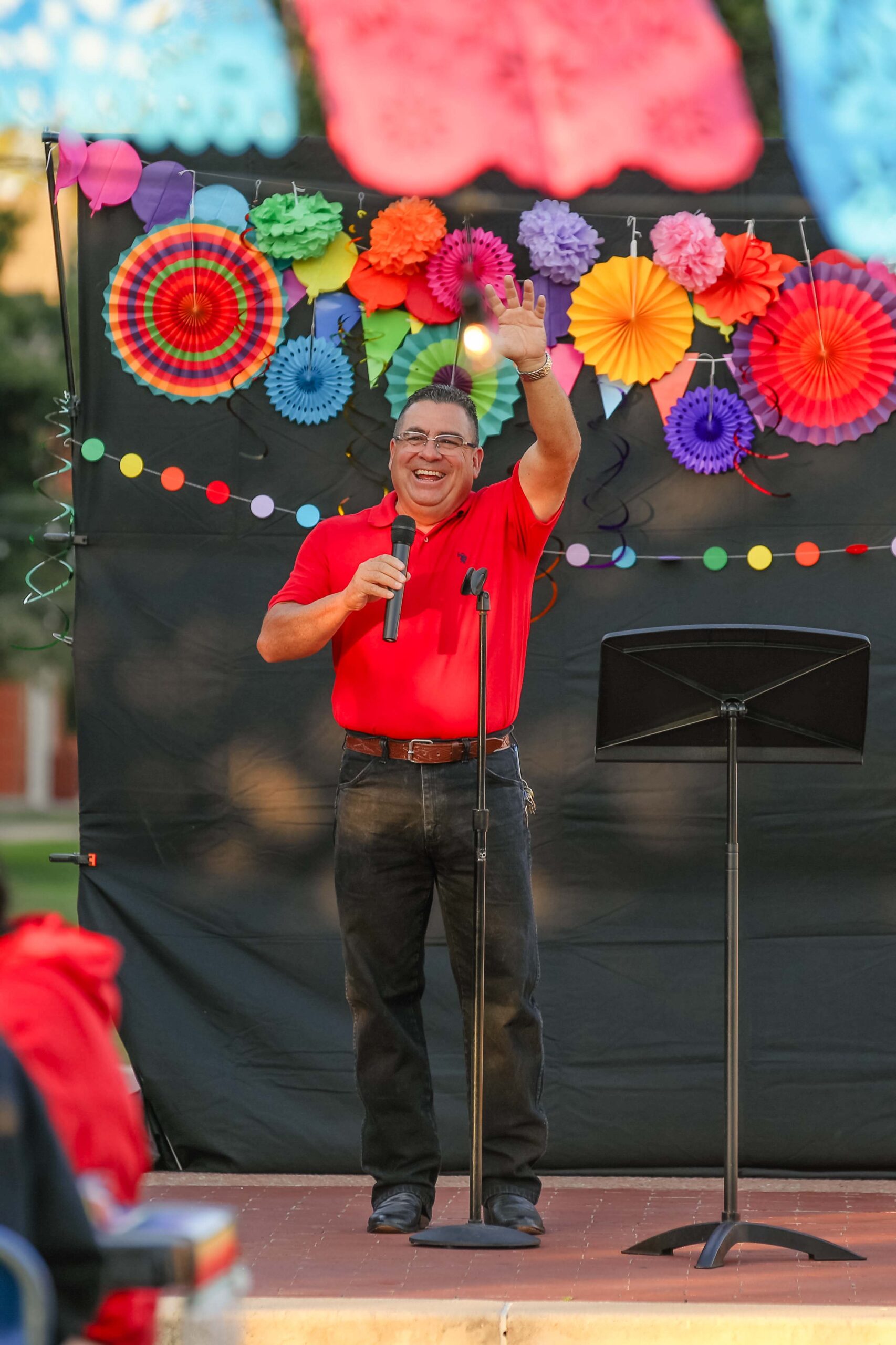
Danny Brunette-López, HPU professor of Spanish and department chair, helped coordinate the Hispanic Heritage Festival. (HPU Photo)

Howard Payne University celebrated Hispanic Heritage Month with several events on campus. HPU hosted the Congreso Experience on campus, Oct. 5, for area high school and college Hispanic students. The university partnered with Texas Baptists Evangelism to provide a full-day event which included workshops, a campus tour, lunch in the dining hall, worship and an HPU football game. Student organizations Amigos Unidos and Student Activities Council joined together Oct. 7 to host a Hispanic Heritage Festival. The evening included live music, authentic Mexican food, crafts, games, live poetry readings and information about influential Hispanic leaders. Danny Brunette-López, HPU professor of Spanish and department chair, helped coordinate the event, which featured several students. Alek Mendoza, a 2022 graduate of HPU and Brownwood High School Spanish teacher, brought students from his classes to participate in the festival. The HPU Hispanic Alumni Fellowship also hosted a scholarship breakfast on Sept. 28 to recognize 28 Hispanic students who received scholarships this academic year. The first Hispanic scholarship was created at HPU in 1974. Additionally, Oct. 18-20, the HPU Theatre department will present “Hispanic Tales,” a bilingual performance which features a collection of folktales that celebrate Hispanic culture with humor, music, dance and colorful spectacle. Performances will be held in the HPU Theatre on Friday and Saturday at 7:30 p.m. and a matinee on Sunday at 2:30 p.m. Tickets can be purchased at www.hputx.edu/homecoming.

Baylor alum Forrest Frank won New Artist of the Year at the Dove Awards. (Baylor Photo)

Two Baylor alumni were honored with Dove awards this year. Forrest Frank was named ‘New Artist of the Year.’ Frank earned a hit No. 1 worldwide on iTunes charts—for all genres—and had five of iTunes’ top 100 Christian songs for 2024. Additionally, his song was chosen as the soundtrack for Baylor’s 2024-25 commercial. Frank also won “Best Pop/Contemporary Recorded Song of the Year” for “Good Day,” his biggest hit to date. He performed it and “No Longer Bound” during the Dove Awards ceremony. Additionally, former Baylor Bear David Crowder closed out the night with a performance of his chart-topping hit “Grave Robber,” which was named “Best Rock/Contemporary Recorded Song of the Year.”

Houston Christian University announced a new collaboration with the National Cybersecurity Training and Education Center, aimed at enhancing cybersecurity education and preparing students to address the challenges of today’s dynamic digital environment. HCU currently offers several related programs, including bachelor’s degrees in computer science, cyber engineering, cybersecurity, electrical engineering and information systems and various Master of Science programs such as data science and cybersecurity. Soon, other programs in artificial intelligence and computer and information sciences will be available in online and hybrid formats.

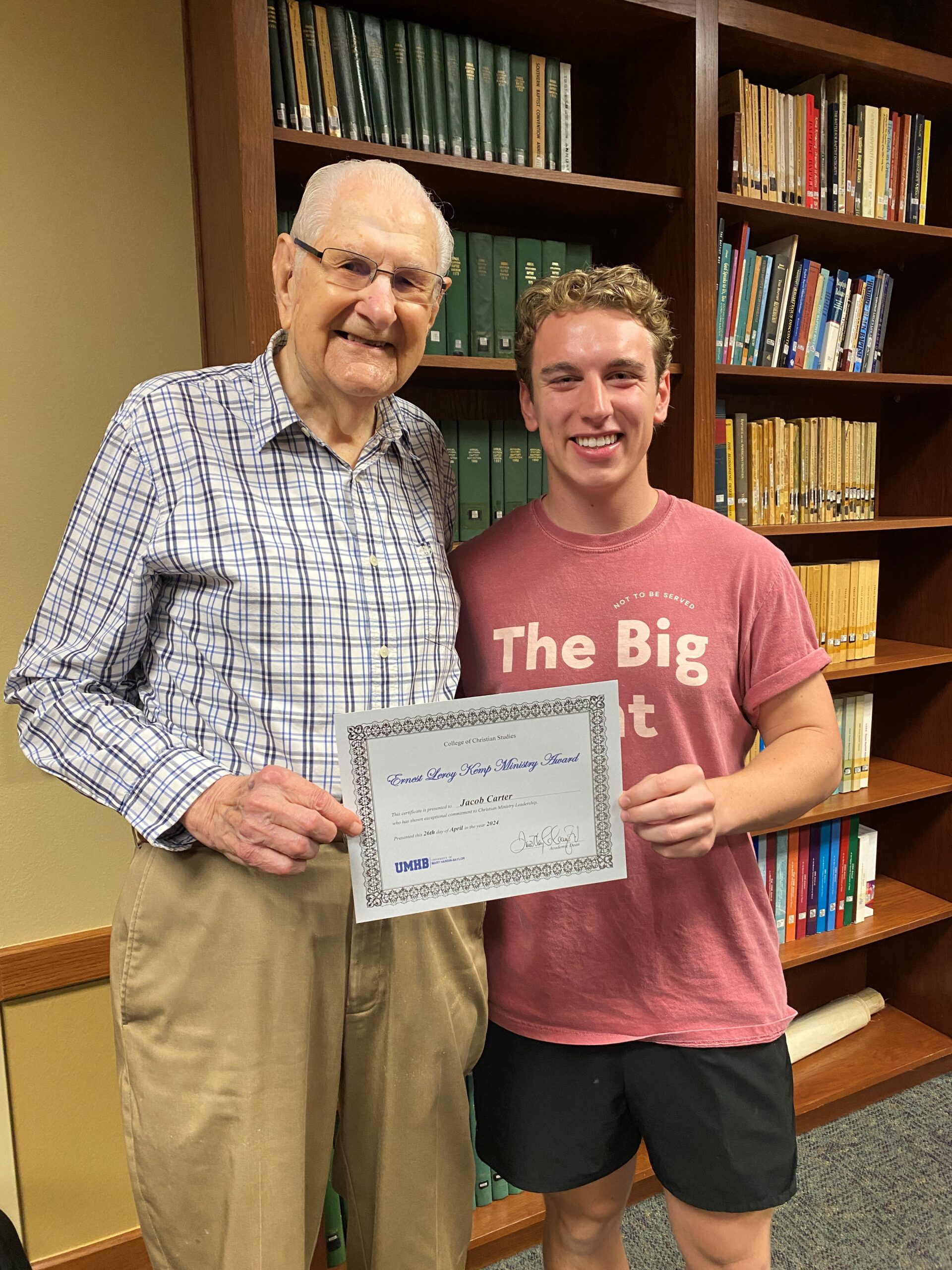
UMHB named Jacob Carter, pictured with Kemp, its inaugural recipient of the Dr. Leroy Kemp ministry award. (UMHB Photo)

The University of Mary Hardin-Baylor named Jacob Carter its inaugural recipient of a new ministry award named in honor of longtime ministry professor Leroy Kemp. Kemp taught at UMHB for 30 years and served as pastor of First Baptist Church in Belton for 20 years. The award is given to the student who has shown exceptional commitment to Christian ministry leadership. Carter graduated in May with a Bachelor of Transformational Development degree. His professors described him as an exceptional student who was active in campus organizations and his local church, First Baptist Belton, where he completed a youth internship. Carter, who graduated with a 3.9 GPA, participated in study tours to Israel and to New Testament sites in Greece and Turkey. He also presented research at UMHB’s Scholars Day and served as assistant director of the 2024 UMHB Easter Pageant.

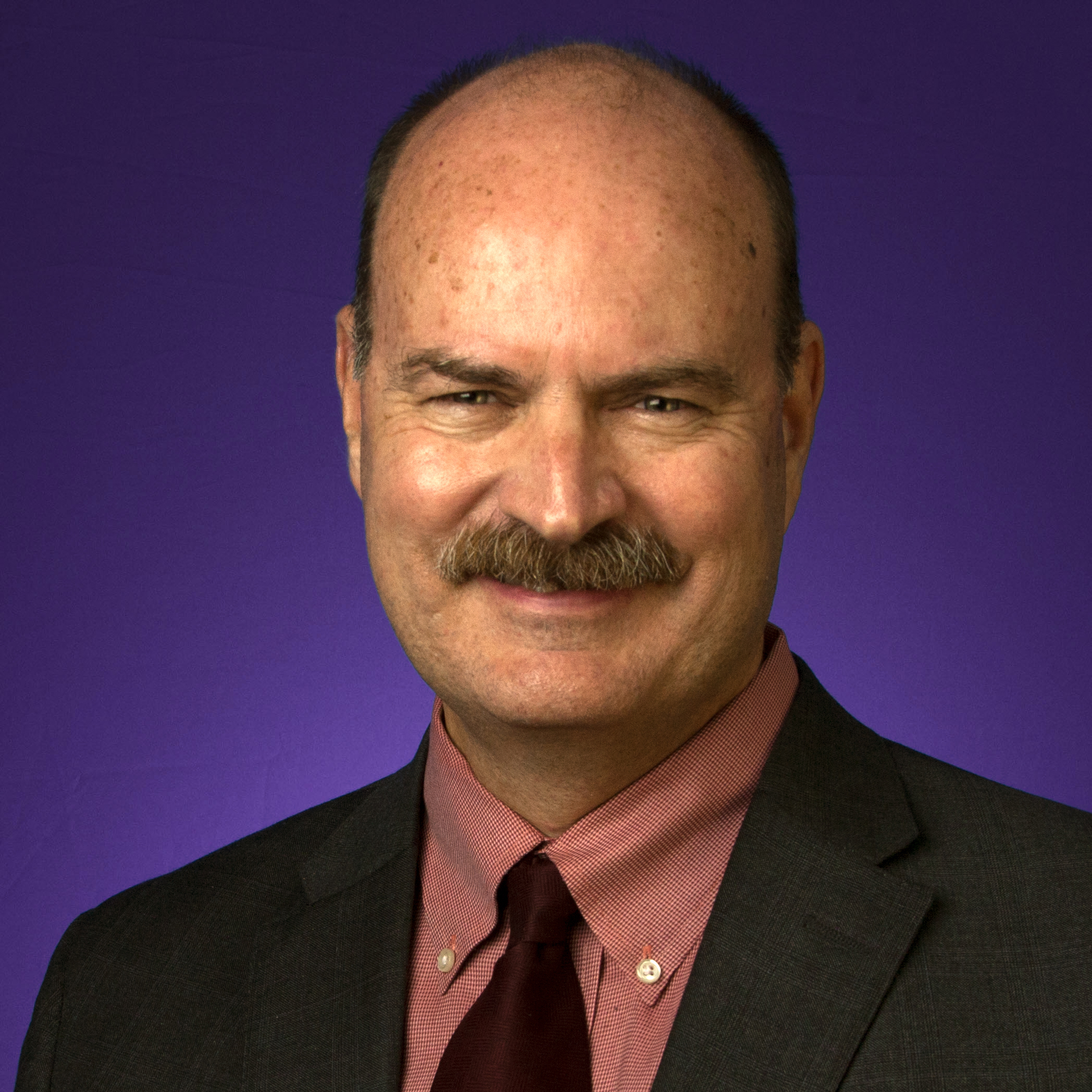
Robert L. Tucker will assume the role of director of the Honors Program at HSU. (HSU Photo)

Tom Copeland, director of the Julius Olsen Honors Program at Hardin-Simmons University, concludes his tenure in that role in May 2025 after 30 years of service. Robert L. Tucker, current Dean of the Kelley College of Business and Professional Studies, will take on the role of director of the Honors Program. As part of this transition, HSU has initiated the search for a new dean to lead the Kelley College of Business and Professional Studies. During his tenure, Copeland cultivated an environment that encourages students to engage deeply in interdisciplinary learning, integrate faith with intellect and wrestle with complex questions about life and belief. Under his leadership, honors students have excelled academically, made significant contributions to community service and participated in global travel experiences. Before leading the Kelley College of Business and Professional Studies, Tucker was dean of the College of Fine Arts, now the College of Arts and Media.

Hardin-Simmons University received a $1 million donation toward the university’s newest residence hall, Prichard Hall. Dedicated on July 30, Prichard Hall welcomed its first residents this fall. The facility accommodates 164 students in suite-style rooms. Each suite includes four private bedrooms, two full bathrooms, and a shared living room. Every bedroom is fully equipped with a twin bed, study desk, dresser and walk-in closet. The first floor includes a lounge area and full kitchen, accessible to all residents. With the hall nearly at full capacity, it reflects the growing demand for on-campus living at HSU, which has seen a 6 percent increase in residential students this year.

Josiah Queen performs to a sold-out crowd at Wayland. (Wayland Photo)

Josiah Queen’s Oct. 9 concert at Wayland Baptist University sold out, marking the 14th sell-out of the 16-city “The Prodigal Tour.” “Harral Auditorium was absolutely packed with people coming from as far as Dallas, Kansas and parts unknown,” Wayland Communications Manager Phillip Hamilton noted. Queen’s hit single, The Prodigal, has garnered more than 46 million global streams. His success began with his single I Am Barabbas, which went viral on TikTok, with more than 2 million views and placing him among Billboard’s “Top 50 Hottest Christian Songs.” As an independent artist, Queen has reached more than 125 million streams.

During the annual board meeting of the T.B. Maston Foundation on Oct. 4, six new members were elected to join the foundation’s board. They are David Beck, layman at Wilshire Baptist Church in Dallas and owner of Lone Star Cleaning and Restoration; Ken Gore, professor of biblical studies in the College of Christian Faith at Dallas Baptist University and member of First Baptist Church of Duncanville; Jeremy Hall, senior pastor of North Hills Community Baptist Church in Pittsburgh, Penn., and past recipient of the T. B. Maston Foundation Scholarship; Alfa Orellana, registrar at Baptist University of the Americas and a Young Maston Scholar in 2023; Larry Parsley, professor of Christian ministry and new director of the mentoring program at Baylor University’s Truett Theological Seminary; and Randy Rogers, professor at Hardin-Simmons University and current interim pastor at First Baptist Church in Plainview. Additionally, the T.B. Maston Foundation is receiving applications for its scholarship to cover the 2025-2026 academic year, Executive Director David Morgan announced. The Maston Foundation provides a $5,000 scholarship annually to a graduate student whose study focuses on Christian ethics. Eligible candidates are Doctor of Philosophy and Doctor of Theology degree students writing dissertations that deal with ethical implications and Doctor of Ministry degree students whose projects include an ethical focus.  To read the full announcement or to find the scholarship application, click here.


Proclama: Fortaleciendo el Futuro de la Predicación Pastoral Hispana

Los días 27 y 28 de septiembre, la Universidad Bautista de las Américas (BUA) fue sede de Proclama, una iniciativa de BUA financiada por de Lilly Endowment Inc. Proclama se dedica a capacitar a pastores en la entrega de sermones centrados en la palabra de Dios.

El evento contó con la participación del Dr. Rudy González, Director de Proclama y profesor de BUA, quien fue el orador principal y centró su intervención en los aspectos teológicos de una predicación convincente.

El Pastor Dr. Tony Miranda abordó las mejores prácticas para la entrega eficiente de las predicaciones, mientras que el Dr. Abe Jaquez, Presidente de BUA, dio la bienvenida a una capilla repleta de pastores de habla hispana provenientes del sur de Texas y hasta de Nuevo México, expresando su agradecimiento por la sólida participación. Fernando Hill,

Asistente del Director de Proclama, coordinó el evento de dos días, fomentando el crecimiento espiritual, el desarrollo del liderazgo y promoviendo la comunión y el refrigerio espiritual entre los pastores presentes. A su vez, estudiantes voluntarios de BUA desempeñaron un papel clave, sirviendo durante todo el fin de semana.

Reflexionando sobre su experiencia en el evento, el participante Elías Martínez, originario de México y exalumno destacado de BUA, ahora radicado en San Antonio, donde pastorea en Viña San Antonio, compartió: “Este fin de semana fue desafiante, pero fue una bendición recibir las herramientas necesarias para ofrecer un sermón eficaz.”

Motivando a otros a asistir a eventos de Proclama, Elías añadió: “Una cosa que diría a quienes están considerando participar en Proclama es que la mejor manera de hacer ministerio de manera efectiva es utilizando los recursos que Dios ha proporcionado. Proclama ha hecho un excelente trabajo revitalizando ministerios y equipando a los ministros para ser más eficientes en alcanzar a las personas para Jesucristo.”

El participante Javier Medina, quien se graduó de BUA y es originario de El Salvador, actualmente pastorea en la iglesia Más Allá de la Cruz, localizada en la frontera entre San Antonio y Boerne. Al preguntarle sobre la importancia de Proclama para él,

Javier destacó las palabras del Dr. González: “Lo que el Dr. González dijo acerca de ser consciente del púlpito, de la enorme responsabilidad que es proclamar la verdad de Dios, realmente me hize reflexionar. Nos recordó que nunca debemos olvidar que no se trata de nosotros; se trata de lo que Dios tiene que decir a través de Su Palabra.”

Francisco Vega, originario de Puerto Rico y otro graduado de BUA, actualmente sirve en la Iglesia en Español en Cornerstone, San Antonio, asistiendo al Pastor Daniel González y enseñando clases para parejas como “Viviendo en Libertad”.

Compartió sus pensamientos sobre el impacto del evento: “Proclama es muy interesante en la forma en que reune a pastores hispanos de diferentes comunidades, de varias partes de América Latina. Esta iniciativa nos ayuda a superar la barrera del idioma, que puede ser muy difícil, enseñándonos cómo predicar y expresarnos en el idioma que nos es habitual—el espanol.”

Motivando a otros a participar, Francisco agregó: “Esto es recomendado para todos los pastores. Solo porque has sido pastor durante muchos años no significa que no puedas aprender. Proclama te ayudará a revitalizar la forma en que predicas.”

Proclama es una iniciativa continua que ofrece talleres a lo largo del año en diversas regiones del estado. Dirigido por el Dr. Rudy Gonzalez, la iniciativa también proporciona mentorías para los participantes registrados.

El Dr. González, actualmente profesor en Midwestern Seminary y director asistente del programa de doctorado en español de esta escuela, aporta casi cinco décadas de experiencia en educación pastoral y teológica. Su carrera ha abarcado iglesias en Nuevo México, Texas y California, así como roles académicos en el Seminario Golden Gate (ahora Gateway) y el Seminario Teológico Bautista del Suroeste. Su compromiso con la educación teológica y el ministerio local lo ha convertido en un mentor clave para Proclama.

Varios de los pastores presentes fueron formados en BUA, reflejando la sólida tradición de la universidad en cultivar líderes en el ministerio hispano. Además, estudiantes de teología de BUA participaron en el evento, ganando valiosa experiencia en ministerio y liderazgo junto a pastores experimentados durante todo el fin de semana.

Reflexionando sobre el éxito del evento, el Dr. Abe Jaquez, Presidente de BUA, comentó: “La participación y la dedicacion mostradas por estos pastores son un testimonio del hambre por aprender como desarrollar una predicación práctica y centrada en Cristo dentro de la comunidad hispana. Estamos agradecidos al Señor por la oportunidad de servir.”

El Dr. Rudy González añadió: “Es un honor ayudar a nuestros pastores a superar la brecha entre el estudio de la Palabra y la proclamación de la Palabra, que es el llamado que Dios ha dado a Sus predicadores.”

Con Proclama completamente desarrollado en español y con materiales diseñados por el Dr. González, esta iniciativa estará sirviendo a pastores hispanos a través de Texas, ofreciendo mentorías y capacitaciones adaptadas a sus necesidades y ministerios únicos, apoyándose en el compromiso de BUA con el desarrollo del liderazgo pastoral.

Para más información, visita bua.edu/proclama o contacta al Dr. Rudy González en rudy.gonzalez@bua.edu o a Fernando Hill en fernando.hill@bua.edu.

Por el Dr. Rubén Cayoja, Especialista en Comunicaciones en la Universidad Bautista de las Américas.


Group takes ‘Heaven’s Front Porch’ on the road

After more than a decade of inviting audiences to Waxahachie to visit “Heaven’s Front Porch,” a group of old-time Southern Gospel singers are taking the show on the road.

R.G. Huff, retired minister of music and adjunct professor at Dallas Baptist University, founded Waxahachie Old-Fashioned Singing using local talent.

Huff created “Heaven’s Front Porch,” a staged production of old-time congregational music, presented at Waxahachie’s Chautauqua Auditorium for a dozen years.

When Huff retired, Judy Oates became coordinator of the renamed Old-Fashioned Singing Project, and Cheri Jordan—an eight-year cast member—became artistic director.

Rather than limiting the production to Waxahachie, the nonprofit project expanded its scope, with a goal of traveling to churches and community venues throughout the Dallas-Fort Worth area.

A dozen singers, all involved in church music ministries, present the music, accompanied by pianist Melinda Boyd.

“The mission of the Old-Fashioned Singing staged production of ‘Heaven’s Front Porch’ is to preserve Southern Gospel congregational singing,” Oates said.

“The musical includes treasured hymns that convey the truth of God’s love and our blessed hope in our Lord and Savior Jesus Christ.”

The Old-Fashioned Singing Project is enlisting churches in the Dallas-Fort Worth area to host the production, either as an “in-house” program for the congregation or as a performance open to the public.

The group will present its debut public “road show” at Stonebriar Community Church in Frisco at 2 p.m. on Nov. 9.

“Audiences will hear and sing songs from the past that inspire joy, hope and assurance,” Oates said. “The lyrics and melodies will make attendees glad they came to sit a spell on ‘Heaven’s Front Porch.’”

For ticket information, click here. For information about hosting “Heaven’s Front Porch,” contact Judy Oates at (469) 975-6886 or email Judy@TexasGospelHymns.com.