




Hendrick Health in Abilene has provided vital healthcare services in West Texas for 100 years this September.
Hendrick opened Sept. 15, 1924, as West Texas Baptist Sanitarium—admitting its first 11 patients the next day.

The five-story hospital was the fulfillment of a dream for Millard Alford Jenkins, who served as pastor of First Baptist Church in Abilene from 1915 until his retirement in 1948.
Harry Leon McBeth notes in Texas Baptists: A Sesquicentennial History, the early years of the 20th century saw Texas Baptists start several hospitals and medical training schools, the majority of which were “under the control of associations or local Baptist groups.”
The sanitarium in Abilene followed this trend. Jenkins campaigned for the sanitarium, but Simmons College—now known as Hardin-Simmons University—joined the cause.
In 1921, the college formed a committee to consider a hospital plan three years before its opening, the Hendrick100.org timeline notes.
Designed to equal care in Dallas-Fort Worth—in terms of equipment, services and skilled staff—West Texas Baptist Sanitarium’s completion meant local patients could have most medical needs met in their own community.
The hospital opened with 52 patient beds (with room for 23 more), 10 nurses and 18 physicians with admitting privileges.
From its beginning, board members were committed to operating a community hospital to serve all, regardless of finances or religious creed. In 1935, the sanitarium affiliated with the Baptist General Convention of Texas, sealing its dedication to working together to heal bodies and souls.
Sign up for our weekly edition and get all our headlines in your inbox on Thursdays
Community donations have been a vital part of the hospital’s history, especially in harder economic times. During the Depression of the 1930s, the hospital struggled financially, even as its beds overflowed.
To continue providing care to destitute patients, the hospital accepted payment in black-eyed peas, chickens and goats. At times, nurses and staff agreed to accept produce in lieu of paychecks.
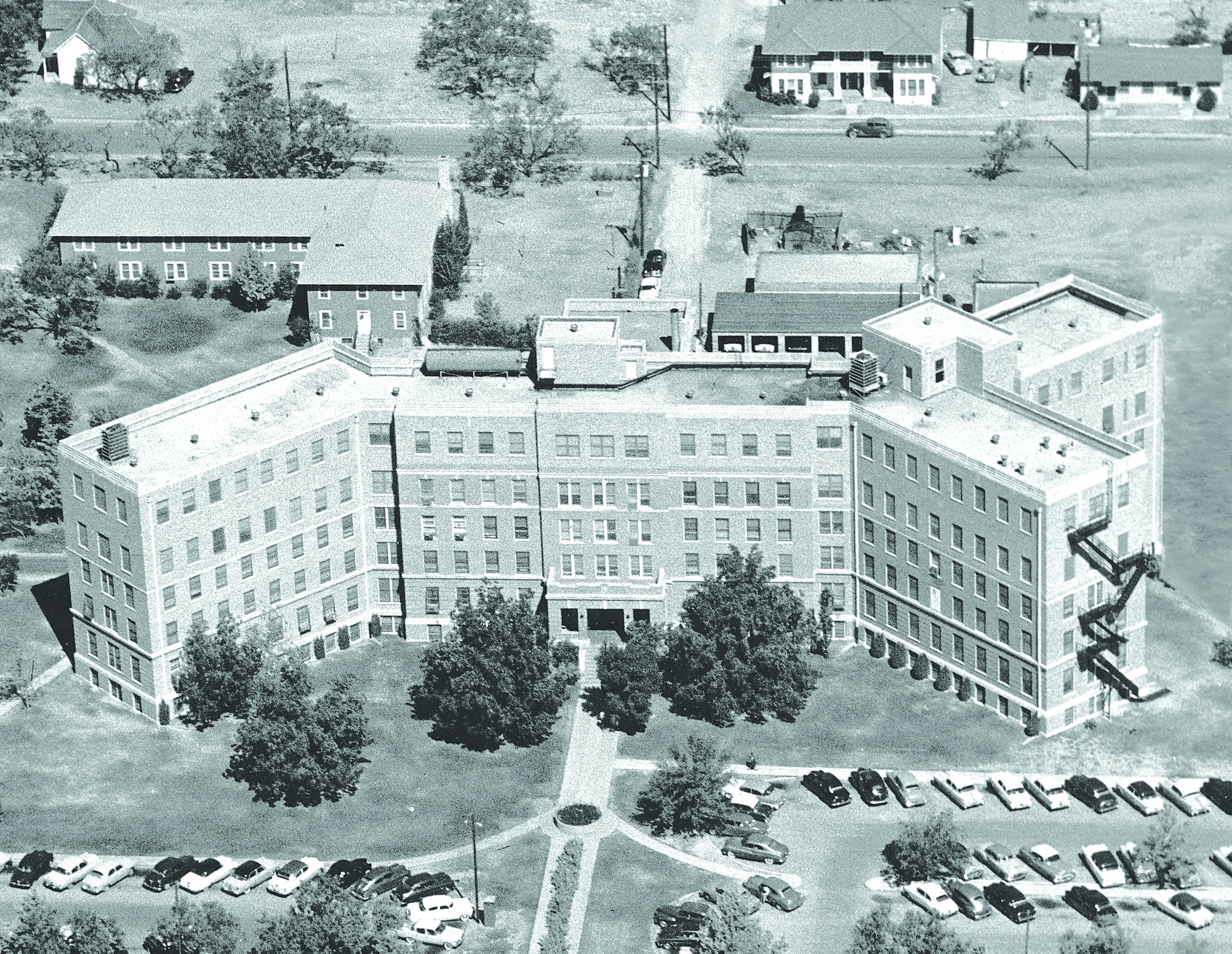
Relief for the sanitarium’s dire financial situation came from Ida and Thomas Gould “T. G.” Hendrick. In 1936, their $100,000 gift enabled the hospital not only to avoid bankruptcy and pay off its debt, but also to add a much-needed four-story East Wing.
In appreciation of their generosity, West Texas Baptist Sanitarium was renamed Hendrick Memorial Hospital.
Through the end of the 20th century, donors funded more towers and wings. Yet as testament to its legacy, that original five-story building still stands, taller and wider, but still at the center of the hospital’s improvements and expansions.
With the completion of its most recent building project in 2012, the hospital added 250,000 square feet of space—approximately 10 times more space than the original hospital building.
Project highlights included relocation and expansion of Hendrick Children’s Hospital, added space for surgical services and a new physician office tower. The name evolved as services expanded to Hendrick Medical Center and later Hendrick Health System.
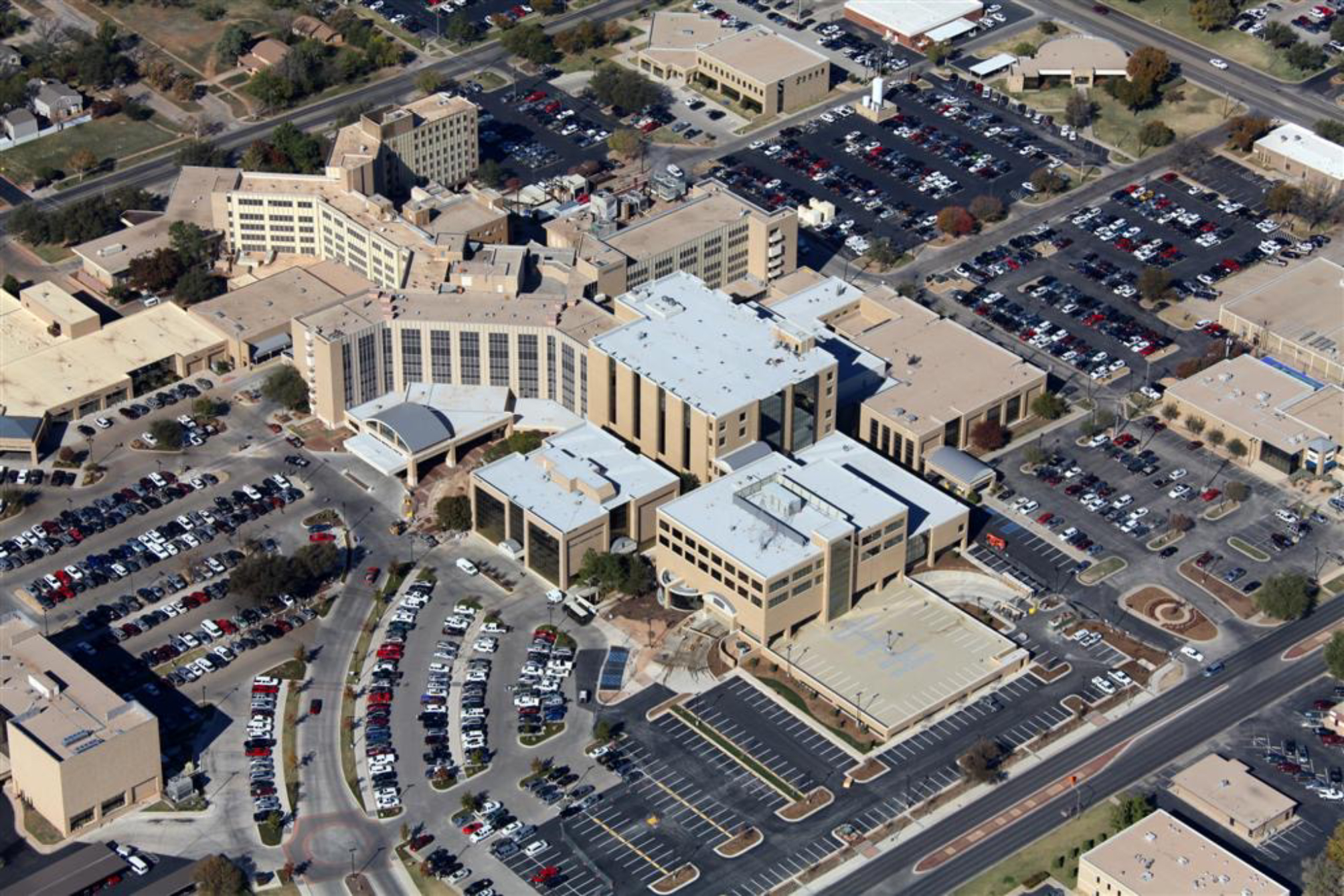
In October 2020, the institution’s name became Hendrick Health with the acquisition of Hendrick Medical Center South, formerly Abilene Regional Medical Center in Abilene, and Hendrick Medical Center Brownwood, formerly Brownwood Regional Medical Center, in Brownwood.
Across its facilities, Hendrick Health currently employs approximately 5,400 providers and staff. It has more than 100 service locations and serves 24 counties, encompassing a landmass equal to 9 percent of Texas.
The health system’s approximately 670 medical staff represent 60 specialties.
In addition to being the largest privately-owned organization in Abilene, Hendrick Health also is the largest health system in a Texas metro area not supported by a county taxing district.
For 100 years, Hendrick Health has continued as a nonprofit, faith-based organization guided by a local, volunteer board and affiliated with the Baptist General Convention of Texas. Through medicine, ministry and research, Hendrick Health carries forward its founders’ legacy.
To commemorate the hospital’s founding, First Baptist Church of Abilene held a centennial convocation, Sept. 15.

“We pause briefly today to reflect on Hendrick Health’s rich history of service and our healing ministry, but our continued focus is on meeting the growing health needs of our community for the future,” said Brad Holland, president and CEO of Hendrick Health, during the ceremony.
At a reception following the convocation, BGCT Treasurer/Chief Financial Officer Ward Hayes—a former Hendrick board member—presented Holland with a certificate from BGCT honoring this remarkable milestone.
“We are very excited about celebrating this incredible milestone with our Hendrick family and with the communities we serve,” Holland said.
“Throughout our history, our success has been directly tied to the support of individuals and entire communities,” he continued.
In addition to the convocation and reception at First Baptist Abilene, Hendrick held centennial flag-raising ceremonies at all three of its hospital campuses on Sept. 16, to kick off the next century of healing.
With additional reporting by Calli Keener.










We seek to connect God’s story and God’s people around the world. To learn more about God’s story, click here.
Send comments and feedback to Eric Black, our editor. For comments to be published, please specify “letter to the editor.” Maximum length for publication is 300 words.