




UGANDA—The headmasters of two primary schools in rural northern Uganda agreed. Access to water makes all the difference in the lives of their students.
Atyang Primary School has operated four decades and has an enrollment of more than 1,000 students who meet in well-established facilities. Rising Star Primary School in Lagwedola started a year ago, has 64 students enrolled, and struggles to survive.
At Atyang School, students enjoy access to a well on the school grounds with a functioning hand pump. At Rising Star School, children recently gathered in the front yard of their tiny schoolhouse to watch a drilling rig create a bore hole and install casing for a well in their village.
Chan David Felix, headmaster at Atyang School, speaks about the positive changes he already has witnessed. Okello George, headmaster at Rising Star School and pastor of a church that meets in the same building, voices hope for a brighter future.

Representatives from Texas Baptist Men: Texans on Mission—known in Uganda as Texans and Ugandans on Mission—recently visited Atyang School to see how the well their organization made possible is being used.
Government district officials had attempted to drill a well on the Atyang School property three times and failed each time. TBM tried and succeeded.

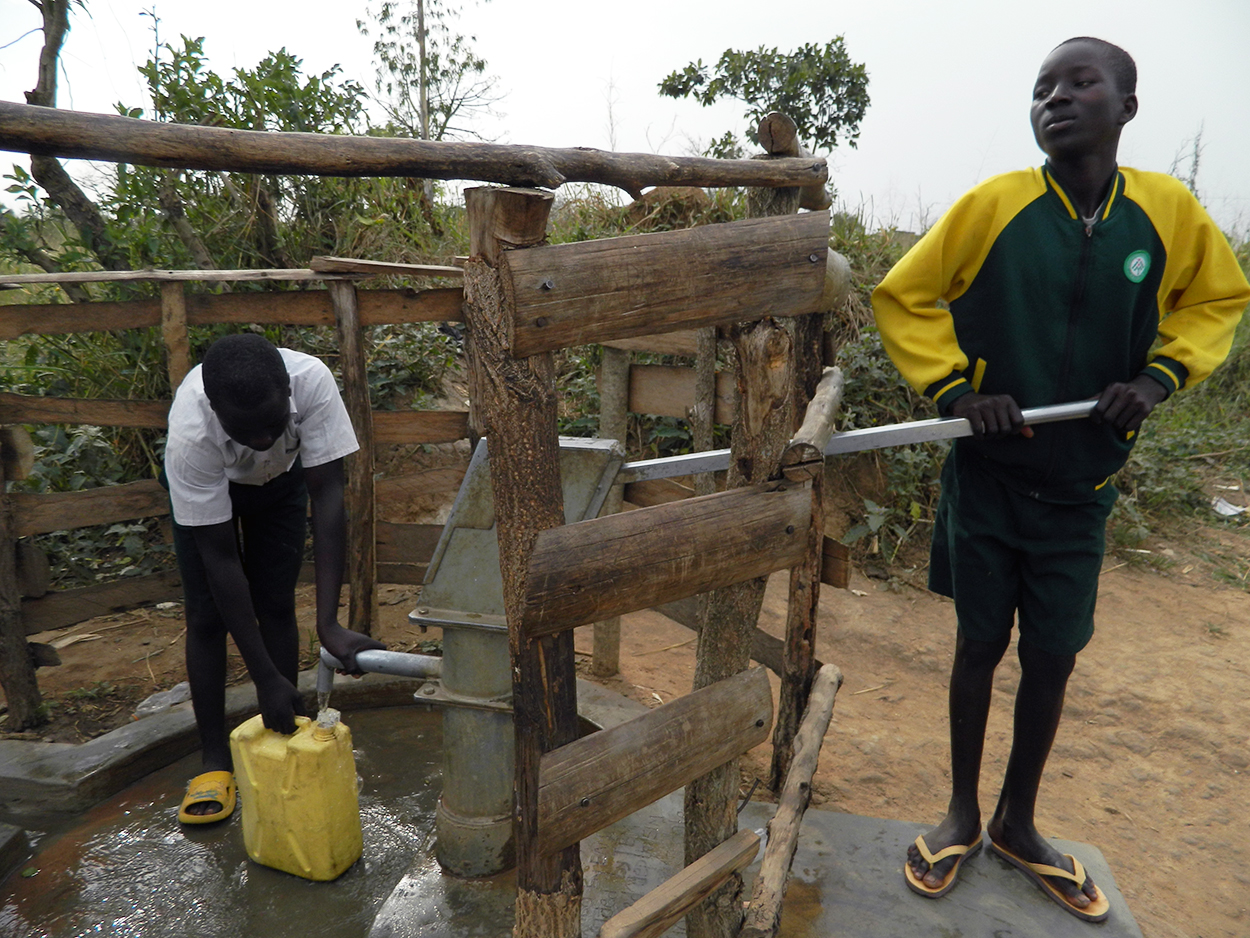
“God solved the problem,” the school’s headmaster said.
He attributed success to the power of prayer—and the fact that the government tried drilling based on where they thought a well would be most convenient, while the TBM team drilled at a site most likely to access the underground aquifer.
“Before we had our own well, students had to cross a very busy road to get to the nearest well,” the school’s headmaster said. “It was prone to accidents. It was so risky. … Children were knocked down by motorbikes.”
Sign up for our weekly edition and get all our headlines in your inbox on Thursdays
Wells improve girls’ lives
The headmaster noted his school has an almost-equal number of girls and boys enrolled now. Previously, girls often dropped out of school at the onset of puberty because of embarrassment caused by their menstrual cycle. Now, the girls have access to water for washing and are learning about feminine hygiene.
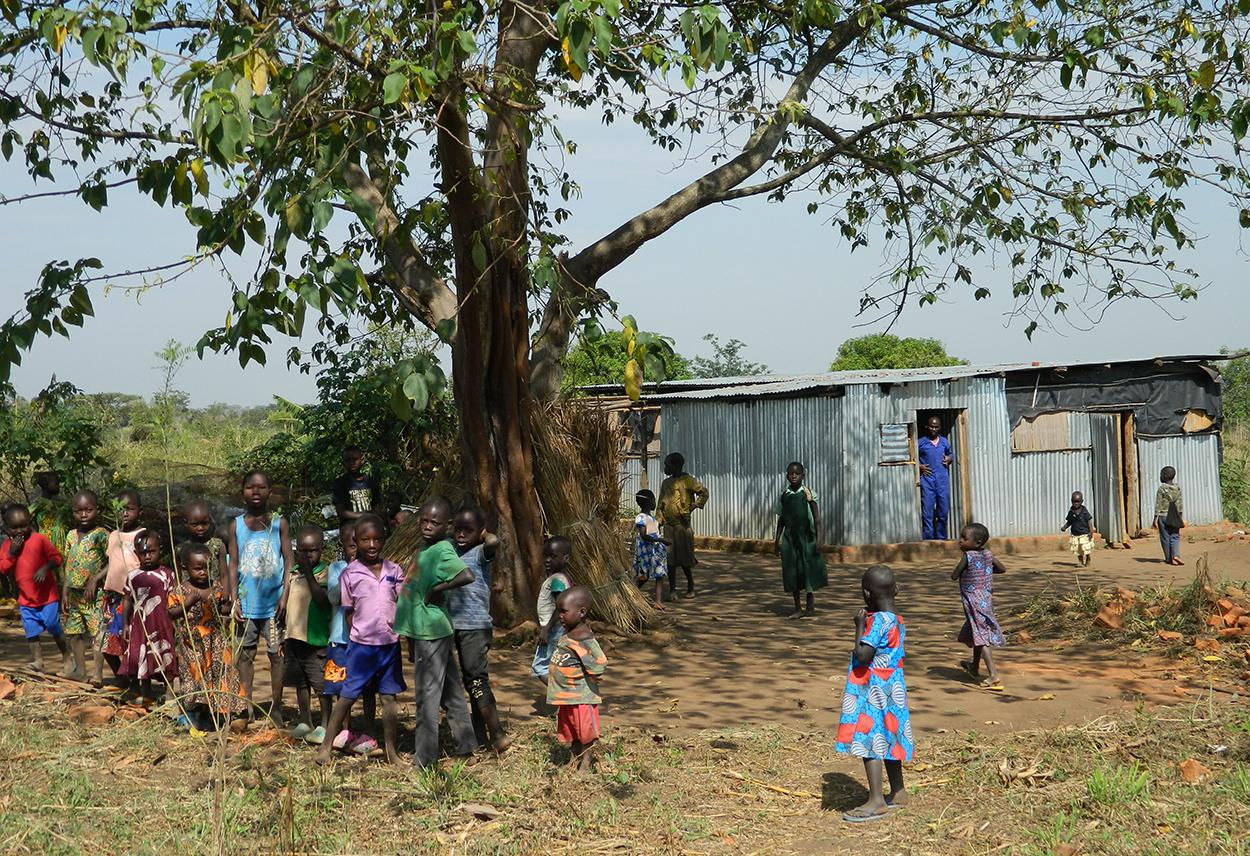
Having an on-campus source of clean water also means the time students previously spent walking to and from a remote well can be spent in classrooms.
“We had to go very far, and it wasted a lot of time. It was time away from class,” said student Aber Shawn Amina. “We’re very happy now.”
The headmaster of Rising Star School voiced hope his students will have the same experience, once the well at Lagwedola is completed.
At peak times when many people gather at the nearest well, a trip to fetch water can last more than two hours, he noted. Once the well at Lagwedola is operational, it will serve 42 households—about 300 people.
“It will benefit the community around us. It will benefit the school, as well. It will mean more time for learners to be in their classes,” he said.
The headmaster—senior pastor of a church in Gulu City—grew up in Lagwedola. When he came back to visit, he saw the needs in his hometown. His congregation in Gulu City agreed to plant a church there, and he started the school.
Growing amid challenge
The subsistence farmers in the area around Lagwedola struggle to survive, due to changing weather patterns, he noted.

Some parents find it hard to afford even the low-cost tuition the school charges. So, the headmaster allows families to pay a portion of each student’s tuition in maize and beans, which he uses to make porridge to feed children at lunchtime.
In spite of the challenges, he believes the school has the capacity to grow to serve up to 200 children in the village and the surrounding countryside.
Similarly, the headmaster of Atyang School sees tremendous potential for his school—now that students have easy access to clean water.
“We are so grateful,” he said. “With water, everything is possible.”
Managing Editor Ken Camp traveled to Uganda with Texas Baptist Men: Texans on Mission to report on the Water Impact ministry there.








We seek to connect God’s story and God’s people around the world. To learn more about God’s story, click here.
Send comments and feedback to Eric Black, our editor. For comments to be published, please specify “letter to the editor.” Maximum length for publication is 300 words.